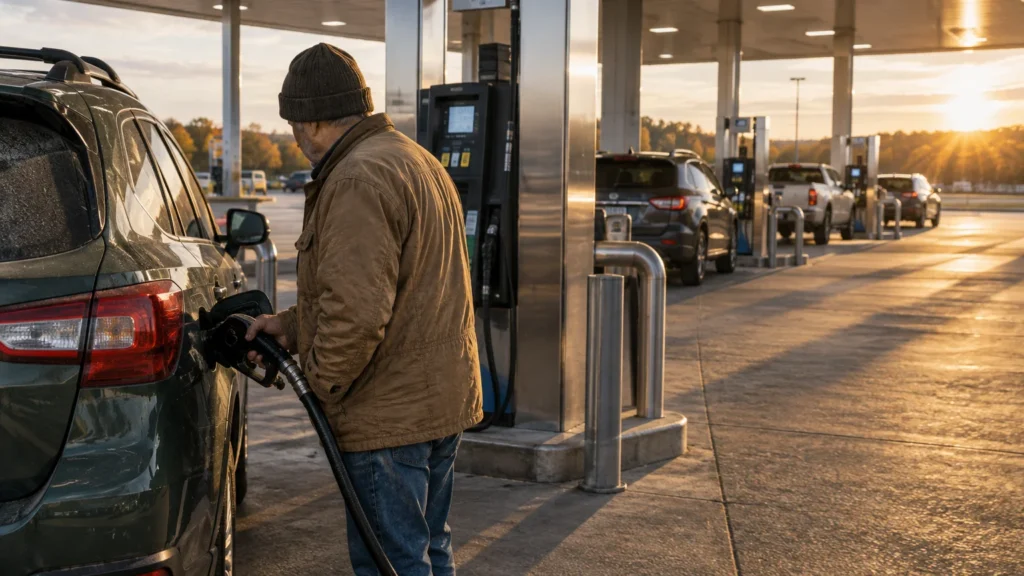
Finding lower prices on daily essentials immediately frees up cash in your monthly household budget. As new warehouse clubs open nationwide, learning where to shop and how to cut recurring bills delivers reliable financial breathing room.
A major retail expansion brings fresh savings on fuel, prescriptions, and pantry staples directly to several growing communities. Knowing how to leverage these grand openings ensures you stretch your hard-earned retirement dollars further.
Here is what you need to know about recent openings, practical shopping strategies, and simple home upkeep routines that protect your savings this season.
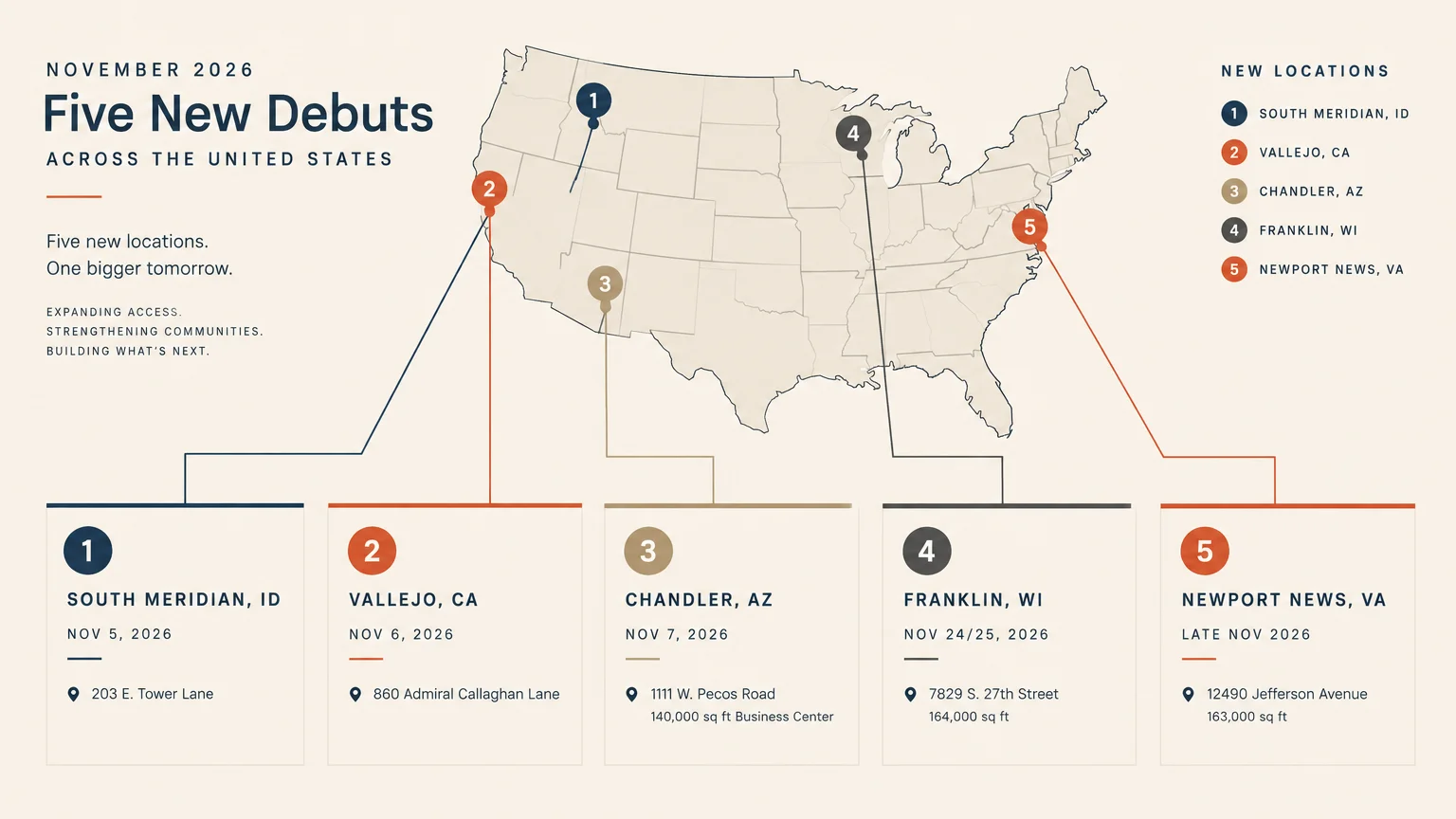
Five New Costco Locations Opening in November 2026
Looking up new costco locations helps households plan their monthly shopping routines. Shoppers in the Boise metropolitan area gained direct access to a brand-new warehouse this month.
The South Meridian warehouse opened its doors on November 5, 2026, at 203 E. Tower Lane. Drivers secured early fuel savings when the on-site gas station began pumping fuel on October 28, 2026.
California shoppers welcomed a modernized warehouse relocation in the Bay Area. The new Vallejo store officially opened on November 6, 2026, at 860 Admiral Callaghan Lane.
This upgraded site replaces an older building at 198 Plaza Drive that served customers since 1989. The property features an electric vehicle charging station alongside a fuel center that opened November 3.
Arizona commercial buyers and residential bargain hunters secured a unique facility in the East Valley. A new Costco Business Center opened on November 7, 2026, at 1111 W. Pecos Road in Chandler.
This 140,000-square-foot facility operates from 7 a.m. to 6 p.m. daily and includes a 15-pump fuel station. Any cardholder can enter, though it lacks a traditional food court and pharmacy.
Wisconsin consumers gained an exciting new option just in time for holiday meal planning. The Franklin warehouse opens November 24 or 25, 2026, at 7829 S. 27th Street.
Built on a former Northwestern Mutual corporate campus, the 164,000-square-foot facility marks the first warehouse club in Milwaukee County. It features 868 parking spaces and a 12-pump gas station.
Coastal Virginia residents receive an expansive replacement facility before the month ends. The new Newport News warehouse opens in late November 2026 at 12490 Jefferson Avenue.
Located on the former Ferguson corporate headquarters campus, this 163,000-square-foot store replaces the aging 12121 Jefferson Avenue building operating since 1988. It more than doubles previous parking capacity.
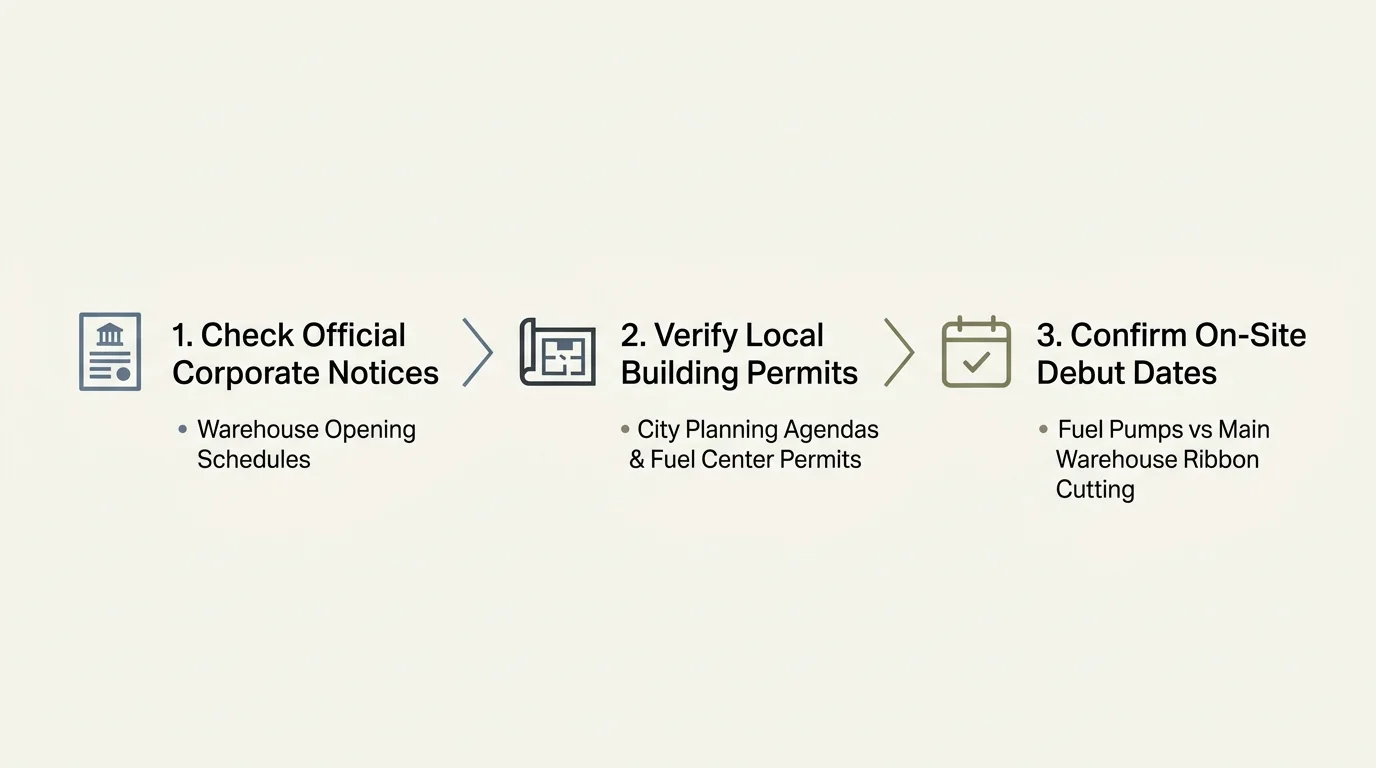
Costco confirms its state-of-the-art gas station opens in late November. The grand opening ribbon-cutting for the warehouse building follows shortly thereafter.
Understanding the Costco Expansion Wave
Following the costco openings november 2026 schedule gives shoppers an accurate timeline for regional store debuts. Across the United States and Canada, the chain is unveiling 9 total locations in November 2026.
Four of these November openings serve Canadian shoppers across Alberta and Ontario. Key sites include Northeast Edmonton, Lloydminster, East Windsor, and Wasaga Beach.
These store debuts follow five major October 2026 launches across Missouri, Texas, New York, Kansas, and California. The momentum continues next month when a North Katy, Texas location opens on December 5, 2026.
Instead of repeatedly searching online for a costco near me, reviewing warehouse construction notices provides advance warning on upcoming developments. As new costco stores open their doors across the country, members gain fresh opportunities to economize.
The ongoing costco expansion reflects strong consumer appetite for bulk savings in challenging economic conditions. For fiscal year 2027, the company plans to open 33 total warehouses worldwide.
With five scheduled relocations, the net gain equals 28 brand-new stores across international and domestic markets. This buildout follows an impressive fiscal year 2026 where the company opened 26 warehouses.
During that fiscal year, net sales climbed 10.2% year-over-year to reach $297.3 billion. Strong executive management and high member renewal rates continue driving consistent revenue growth.
Investors also shared in the company’s strong cash flow this season. On November 10, 2026, leadership announced a special cash dividend of $30 per share payable on December 4, 2026.
Holding just three shares generates $90 in cash payouts. That single payout easily offsets the annual cost of a standard club membership.
Retirement-Ready Budget That Holds Up
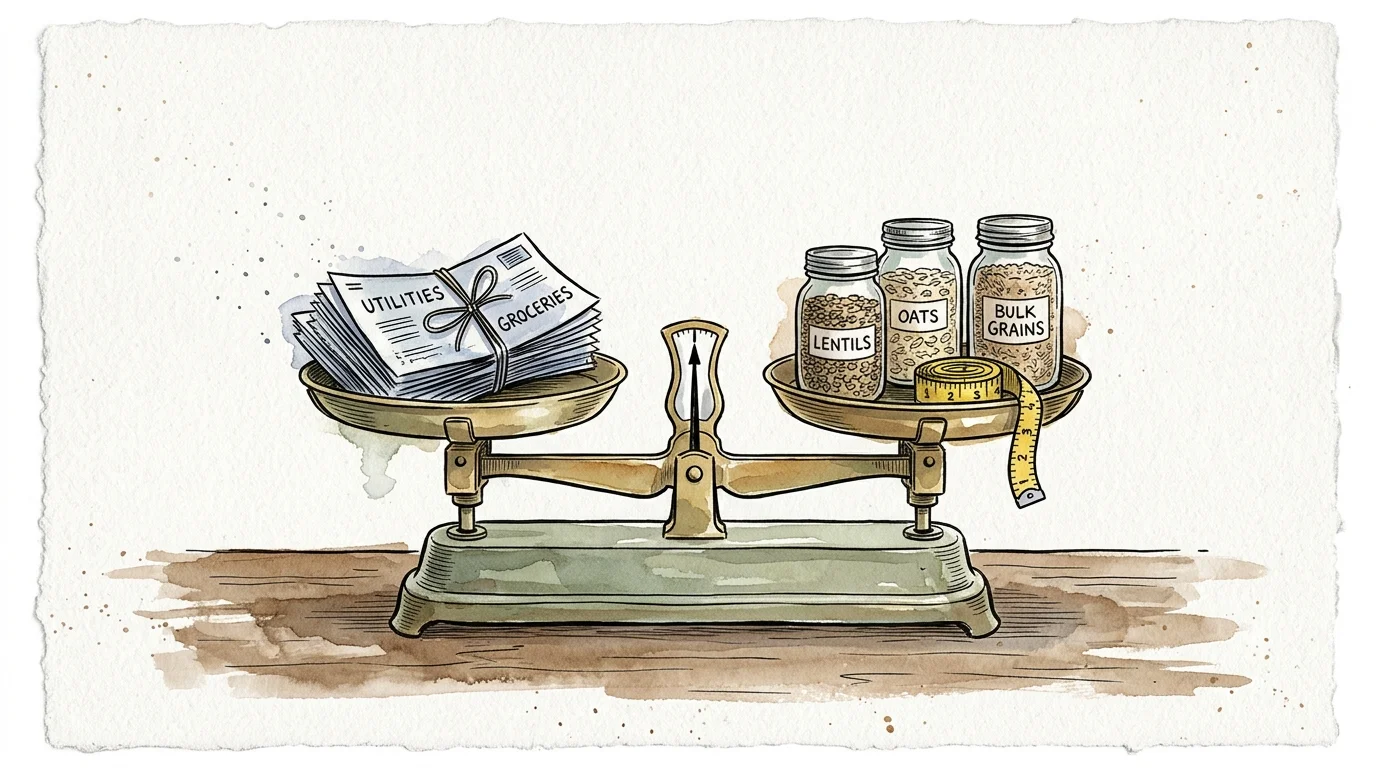
Managing money on a fixed income requires a structured framework that absorbs sudden cost increases. You cannot simply hope for expenses to drop without actively directing your dollars.
A reliable budget separates fixed expenses from variable ones. A fixed expense stays the same each month, whereas a variable expense fluctuates based on usage and personal habits.
Fixed obligations include your rent or mortgage, supplemental insurance premiums, and basic trash fees. Variable expenses cover groceries, cooling costs, automobile maintenance, and seasonal holiday gifts.
To prevent emergencies from derailing your plan, set up sinking funds. A sinking fund is a dedicated savings reserve where you deposit small monthly amounts for predictable future expenses.
For instance, setting aside $40 each month prevents panic when winter heating bills arrive. It also cushions the blow of annual vehicle registration fees or pest control treatments.
Consider a practical monthly walkthrough for a retired individual receiving $2,800 from Social Security and a modest pension. Housing takes $1,100, while supplemental health coverage requires $250.
Allocate $350 for nutritious groceries and $220 for combined electric, water, and gas utilities. Transportation and gasoline require roughly $180 to keep your vehicle running smoothly.
You then designate $200 for personal supplies, laundry essentials, and routine prescription copays. Deposit $300 straight into your sinking funds for home upkeep and medical deductibles.
The remaining $200 serves as unallocated discretionary spending for social outings or hobbies. This balanced structure ensures you cover every vital necessity before spending on extras.
Cutting Utility Bills: A Stepwise Plan
Lowering monthly utility overhead keeps more cash inside your checking account without sacrificing home comfort. Small behavioral changes create substantial savings across electric, gas, and municipal water statements.
Start by analyzing your electric bill and understanding key measurement terms. A kilowatt-hour, or kWh, measures the total energy you consume over time.
Wattage represents the rate of electrical power an appliance draws while running. Your unit rate is the base dollar cost you pay for each single unit of energy or fuel.
Adjusting your thermostat delivers the highest return on investment. Set your winter heating to 68 degrees Fahrenheit during the day, lowering it several degrees while sleeping.
Swap incandescent lightbulbs for certified light-emitting diodes immediately. A modern LED bulb draws a fraction of the power while lasting over a decade under normal household use.
Tackle phantom loads by plugging televisions, cable boxes, and desktop computers into smart power strips. These accessories cut electrical draw completely when appliances enter standby mode.
Wash your laundry loads in cold water whenever possible. Up to 90% of the energy consumed by a washing machine goes directly toward heating water.
For natural gas systems, inspect your water heater thermostat settings. Lowering the dial from 140 degrees down to 120 degrees Fahrenheit reduces thermal standby loss safely.
Consider sealing exposed heating ducts in your basement, crawlspace, or attic. Duct sealing involves closing air leaks in your heating and cooling distribution pipes with specialized mastic tape.
Water conservation also provides direct savings on monthly sewage and supply bills. Fix silent flapper leaks inside toilet tanks, which waste hundreds of gallons daily without making noise.
Evaluate your appliances using their official water factor ratings. The water factor measures the gallons of water consumed per cubic foot of capacity in appliances.
Look for local utility rebates before purchasing any major household fixture. A rebate is a cash refund issued by a utility or manufacturer after you purchase an energy-efficient device.
Ask your utility provider about budget billing options to smooth out seasonal volatility. Budget billing averages your annual energy usage into equal monthly payments, eliminating surprise summer or winter spikes.

Senior Discounts & “Quiet Perks”
Many retailers and service providers offer valuable discounts that they rarely advertise on storefront signs. Unlocking these discounts requires knowing when to ask and understanding qualifying age thresholds.
Age requirements vary widely depending on the merchant and regional policies. Some grocery chains start promotions at age 55, while restaurant chains and transit authorities often require age 62 or 65.
Never hesitate to ask cashiers whether they honor a senior savings rate before paying. A polite inquiry at the checkout counter often yields an unexpected 5% to 15% discount on your bill.
Carry a valid state driver’s license or identification card whenever you shop. Cashiers may need to confirm your birth date before applying promotional price adjustments in their point-of-sale systems.
Investigate general senior association memberships to secure nationwide partnerships. National organizations negotiate contracted rates on auto insurance, mobile phone plans, prescription eyeglasses, and hotel lodging.
Time your grocery and retail shopping trips to take advantage of specific weekday discount windows. Many regional markets reserve Tuesday or Wednesday mornings for senior shopper promotions.
Shopping during weekday mornings also provides a calmer environment with shorter checkout lines. You avoid crowded aisles and reduce stress while reviewing your receipts for billing accuracy.
Beyond Groceries: Services That Can Save You
Warehouse clubs offer financial advantages that extend far beyond bulk pantry staples and paper towels. Evaluating supplementary service departments helps you extract maximum return from your annual membership fee.
A standard Gold Star or Business membership costs $65 per year. Upgrading to an Executive membership costs $130 per year, providing a 2% annual reward on qualified purchases.
Fuel centers represent one of the fastest ways to recover your annual membership expense. Club gas stations regularly price fuel $0.20 to $0.40 per gallon below nearby competitors.
Filling a 15-gallon tank three times a month can save you upwards of $100 annually on fuel alone. Those fuel savings completely pay for your standard membership card.
Warehouse pharmacies deliver substantial savings on routine maintenance medications. Generic cash prices often run 40% to 80% lower than prices charged by traditional corner drugstores.
In many states, retail pharmacies inside warehouse clubs must remain open to non-members by law. Check local regulations, though active cardholders often gain additional bundled discounts.
Optical and hearing centers provide high-grade corrective hardware at transparent prices. You can schedule comprehensive eye examinations and purchase prescription lenses without high commercial markups.
Tire installation packages frequently include lifetime rotations, pressure checks, and road-hazard warranties. These built-in perks eliminate recurring maintenance fees you might otherwise pay at independent garages.
Warehouse travel agencies also negotiate bulk discounts on rental cars, domestic flights, and cruise bookings. Booking through these club portals frequently includes resort credits or complimentary digital gift cards.
Do not overlook famous loss-leader food items when planning quick, affordable meals. The classic hot dog and soda combo remains $1.50, while a seasoned rotisserie chicken costs just $4.99.
Use these loss leaders strategically to anchor inexpensive family dinners. However, avoid purchasing perishable bulk produce unless you have a clear plan to freeze or consume it promptly.
DIY Home Repairs: Safe, Simple Wins
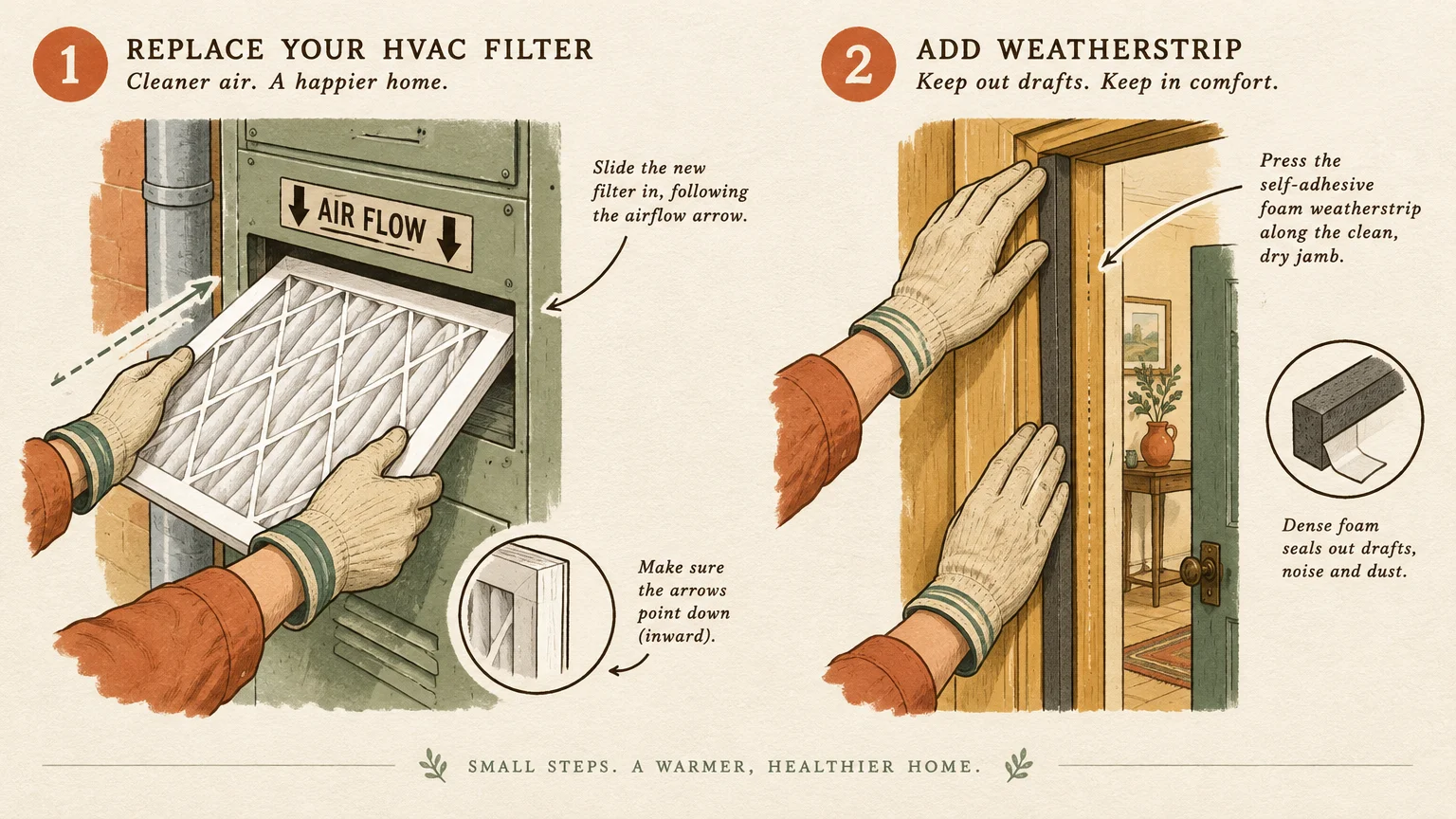
Handling basic household maintenance on your own protects your emergency fund from steep contractor dispatch charges. Learning a few simple mechanical adjustments prevents minor nuisances from turning into catastrophic home emergencies.
Fixing a Running Toilet Flapper
A constantly running toilet wastes clean water and inflates municipal utility bills rapidly. The problem usually stems from a worn rubber flapper inside the tank that fails to seal against the flush valve seat.
Turn off the shutoff valve behind the toilet and flush the tank to remove standing water. Unhook the flapper chain, remove the old flapper, and install an identical replacement piece.
This repair requires an adjustable wrench and a replacement flapper costing roughly $6 to $12. Turn the shutoff valve clockwise gently to avoid breaking brittle copper supply lines.
Call a licensed plumber if the shutoff valve leaks or if water continues seeping past the fill valve assembly after replacement.
Clearing a Clogged Sink P-Trap
Slow sink drainage typically results from hair, soap scum, or food debris caught in the curved drain pipe. You can clear this curved fitting, known as the P-trap, without harsh corrosive chemicals.
Place a small bucket beneath the pipe under your sink to catch trapped residual water. Loosen the plastic slip nuts by hand or using channel-lock pliers, then pull the trap assembly free.
Clear out accumulated residue using an old bottle brush, rinse the pipe thoroughly, and reinstall the plastic washers properly. A simple pair of tongue-and-groove pliers costs roughly $10 to $15.
Wear rubber gloves and safety glasses to shield your eyes from dirty water splashing during removal. If the blockage sits deep inside your main wall stack, hire a professional drain technician.
Replacing Drafty Exterior Door Sweeps
Cold drafts entering beneath exterior doors force your furnace to run continuously during chilly autumn and winter evenings. Replacing worn bottom door sweeps stops air infiltration and keeps indoor temperatures consistent.
Inspect the rubber fin along the bottom edge of your door while standing inside a darkened room. If daylight shines beneath the door threshold, your weather seal requires immediate replacement.
Unscrew the old sweep, measure the door width, and trim a new aluminum-and-vinyl sweep using a hacksaw. Secure the sweep with screws so the vinyl fin contacts the threshold firmly.
You need a screwdriver, measuring tape, and a basic hacksaw totaling roughly $15 in materials. Call a carpenter if the door frame itself is rotted or structurally out of square.
Tightening Loose Cabinet and Door Hinges
Sagging doors and loose cabinet faces scrape against jambs and damage wood frames over time. Stripped screw holes inside softwood frames prevent mounting screws from gripping tightly.
Remove the loose screw, insert a wooden toothpick or golf tee dipped in wood glue, and trim it flush. Drive the original mounting screw back into the hole to create a rock-solid mechanical anchor.
This repair requires a simple handheld screwdriver, wood glue, and wooden toothpicks costing less than $5 total. Avoid using power drills with excessive torque, which can strip soft cabinet wood completely.
Contact a finish carpenter if the wood frame has fractured or cracked along the structural jamb.
Silencing Squeaky Subfloor Boards
Irritating floor squeaks occur when subfloor plywood rubs against underlying joist nails as people walk overhead. You can eliminate floor squeaks from above without pulling up broad sections of carpeting.
Locate the underlying floor joist by tapping gently or using an electronic stud finder. Drive specialized breakaway floor screws directly through the carpet and subfloor into the solid wooden joist below.
Snap off the exposed screw heads below carpet level using the accompanying alignment tool. A squeak-repair screw kit costs approximately $20 to $25 at any local home improvement center.
Wear eye protection when driving screws and snapping fastener heads. Consult a general contractor if the squeak accompanies noticeable floor sagging, which signals deeper foundation or framing issues.
Worked Examples
Reviewing concrete dollar figures helps you visualize how incremental home improvements accumulate over time. These worked scenarios show how simple adjustments create tangible cash savings in your monthly routine.
Example A: Monthly Electric Utility Reduction
Consider an average single-family home consuming 900 kWh each month at a unit rate of $0.16 per kWh. The base electric bill totals $144 every month before taxes and distribution fees.
Replacing 15 frequently used 60-Watt incandescent bulbs with 9-Watt LEDs cuts energy usage by 765 Watts. Operating them for four hours daily saves approximately 92 kWh each month.
Plugging entertainment electronics and home office gear into smart power strips eliminates 35 kWh of standby power waste. Switching eight weekly loads of laundry from warm to cold water trims another 33 kWh.
The total monthly electricity reduction equals 160 kWh. At $0.16 per kWh, this simple plan lowers the monthly bill by $25.60, delivering over $300 in annual recurring savings.
Example B: Revised Retiree Budget After a Rent Increase
Imagine a retiree living on a fixed Social Security income of $2,400 per month. Their landlord issues a notice raising monthly apartment rent by $120, moving from $1,050 up to $1,170.
Rather than draining savings, the renter examines variable spending categories to absorb the increase. They trim discretionary dining out by $50 per month by preparing more batch meals at home.
Switching prescription maintenance drugs to generic versions at a warehouse pharmacy saves $30 per month. Lowering home thermostat settings and utilizing smart strips reduces the monthly power bill by $25.
Finally, cancelling an unused streaming subscription frees up an extra $15 every month. These modest adjustments recover the full $120 rent increase without depleting emergency cash reserves.
Example C: Low-Flow Showerhead Water Savings and Payback
A retired couple takes two eight-minute showers daily using an older fixture flowing at 2.5 gallons per minute. That equals 40 gallons of hot water consumed each day, or 1,200 gallons monthly.
They replace the showerhead with a modern 1.5-gallon-per-minute model costing $24 at a home supply store. Daily water consumption drops to 24 gallons, reducing monthly water usage by 480 gallons.
At a combined water and sewer rate of $0.015 per gallon, the fixture saves $7.20 on monthly water billing. It also saves roughly $4.80 monthly in natural gas heating expenses.
The combined monthly utility savings equal $12.00. The $24 replacement fixture pays for itself completely in just two months, producing pure savings thereafter.
Official Resources and Verification
Energy efficiency guidance via ENERGY STAR and the U.S. Department of Energy (DOE).
Water savings and fixture labeling via the EPA WaterSense. Home product safety via the U.S. Consumer Product Safety Commission (CPSC).
Retirement and benefits information via the Social Security Administration (SSA) and senior living resources via the AARP.
Frequently Asked Questions
Is budget billing worth it for households on fixed incomes?
Budget billing helps you maintain a predictable monthly expense by averaging your annual utility consumption across twelve even payments. You avoid severe winter or summer statement surges that disrupt cash flow.
However, utility companies periodically settle your account balance against actual energy usage. If energy rates rise unexpectedly during the year, you may face a modest true-up charge at year-end.
Which home repairs require a building permit?
Minor cosmetic improvements such as replacing light switches, changing plumbing fixtures, or fixing door sweeps do not require municipal permits. You can safely complete these routine tasks independently.
Projects involving new electrical circuits, structural wall removal, main water line replacements, or water heater replacements generally require official permits. Always check local building department codes before starting extensive renovations.
How do you verify an unadvertised senior discount?
Ask the checkout clerk or customer service desk politely if their establishment offers a senior discount before your transaction totals. Many regional retail chains apply promotions upon verbal request.
Always carry a state identification card to confirm your eligibility if requested. You can also review store websites or community forums for localized promotional calendars.
What temperature should you choose for your water heater?
The federal government recommends setting residential water heaters to 120 degrees Fahrenheit. This temperature provides plenty of hot water for cooking, bathing, and cleaning while preventing scalding accidents.
Lowering the temperature from 140 degrees down to 120 degrees also curbs standby heat loss. This simple adjustment reduces monthly energy consumption by 4% to 10%.
Do home energy monitors actually lower your utility bill?
An energy monitor does not reduce power consumption automatically. Instead, it provides real-time data showing which appliances draw excessive wattage throughout the day.
By identifying energy-draining appliances and phantom power loads, you can alter your daily habits deliberately. Homeowners typically reduce electricity consumption by 5% to 12% after installing monitoring hardware.
Can standard members shop at a Costco Business Center?
Any valid Costco cardholder can shop at a Costco Business Center, including standard Gold Star members. You do not need a commercial account to enter or purchase items.
Keep in mind that Business Centers cater to commercial enterprises and food service operators. They open earlier in the morning but omit consumer services such as pharmacies, optical centers, and food courts.
Compliance and Disclosure
This content is provided for informational purposes only and does not constitute professional financial, legal, medical, or building-code advice. Utility rates, municipal rebates, retail pricing, and senior discounts vary by region and provider.
Always verify active promotions and policies directly with official service providers before making financial commitments. Always wear proper safety gear, and hire licensed, insured professionals whenever work requires municipal permits or exceeds your skill level.