You do not need expensive steaks to eat well off your backyard grill. With beef prices climbing, learning smart grilling ideas stretches your grocery budget while keeping every meal safe and nutritious.
This guide reveals 35 unusual grilled foods that deliver big flavor at low unit prices. You will also learn how to decode store labels, dodge shrinkflation, and follow essential food and grill safety rules.
Whether you cook on charcoal, gas, or wood pellets, these practical bbq recipes turn cheap produce, eggs, and pantry staples into standout dinners. Let us start with the store math that makes every cookout cheaper.
How to Read Prices and Packages Before You Grill
Grilling belongs to nearly everyone today—70% of U.S. households and 80% of homeowners own at least one grill or smoker. Yet 2026 food prices reward cooks who look past standard burgers and steaks.
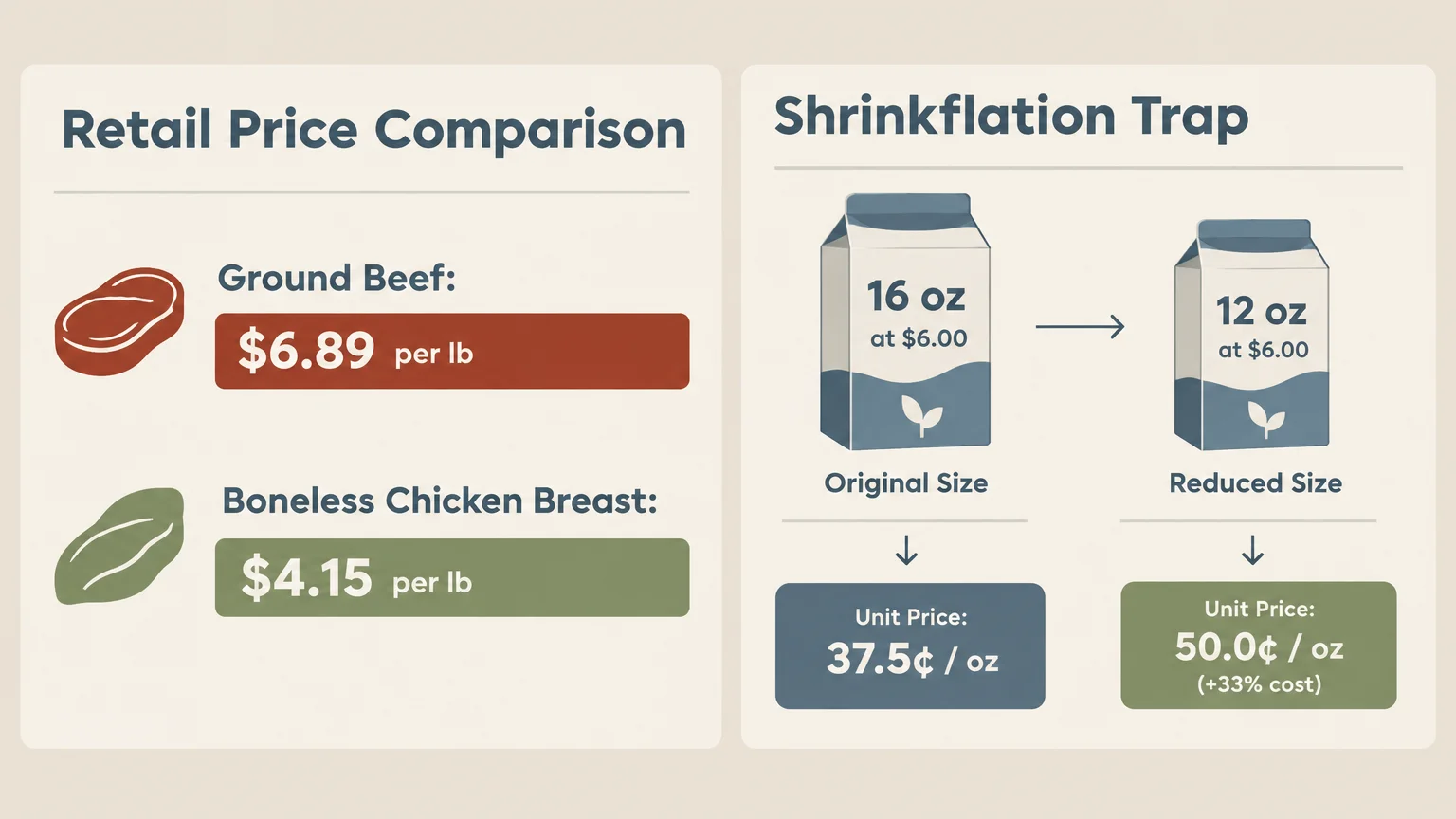
According to USDA Economic Research Service projections from October 2026, retail beef and veal prices are forecast to jump 8.7% this year. U.S. Bureau of Labor Statistics averages put ground beef at $6.89 per pound in July 2026.
Meanwhile, pork prices are forecast to rise just 1.0% and poultry just 1.2%, with boneless chicken breast averaging $4.15 per pound in July 2026. Dairy, fats, and eggs are actually declining in price, with eggs down 20.6% year-over-year in September 2026.
To capture those savings, train your eye on the unit price—the cost per ounce, pound, or count printed in small type on the shelf tag. Comparing package sticker prices tricks you when brands shrink container sizes.
Watch out for shrinkflation, the quiet practice of selling fewer ounces at the old price. Suppose a familiar package of plant-based patties drops from 16 ounces to 12 ounces while staying at $6.00.
Your unit price just jumped from 37.5 cents per ounce to 50 cents per ounce—a one-third cost increase hidden in a nearly identical box. Reading the unit price catches that trap before the box hits your cart.
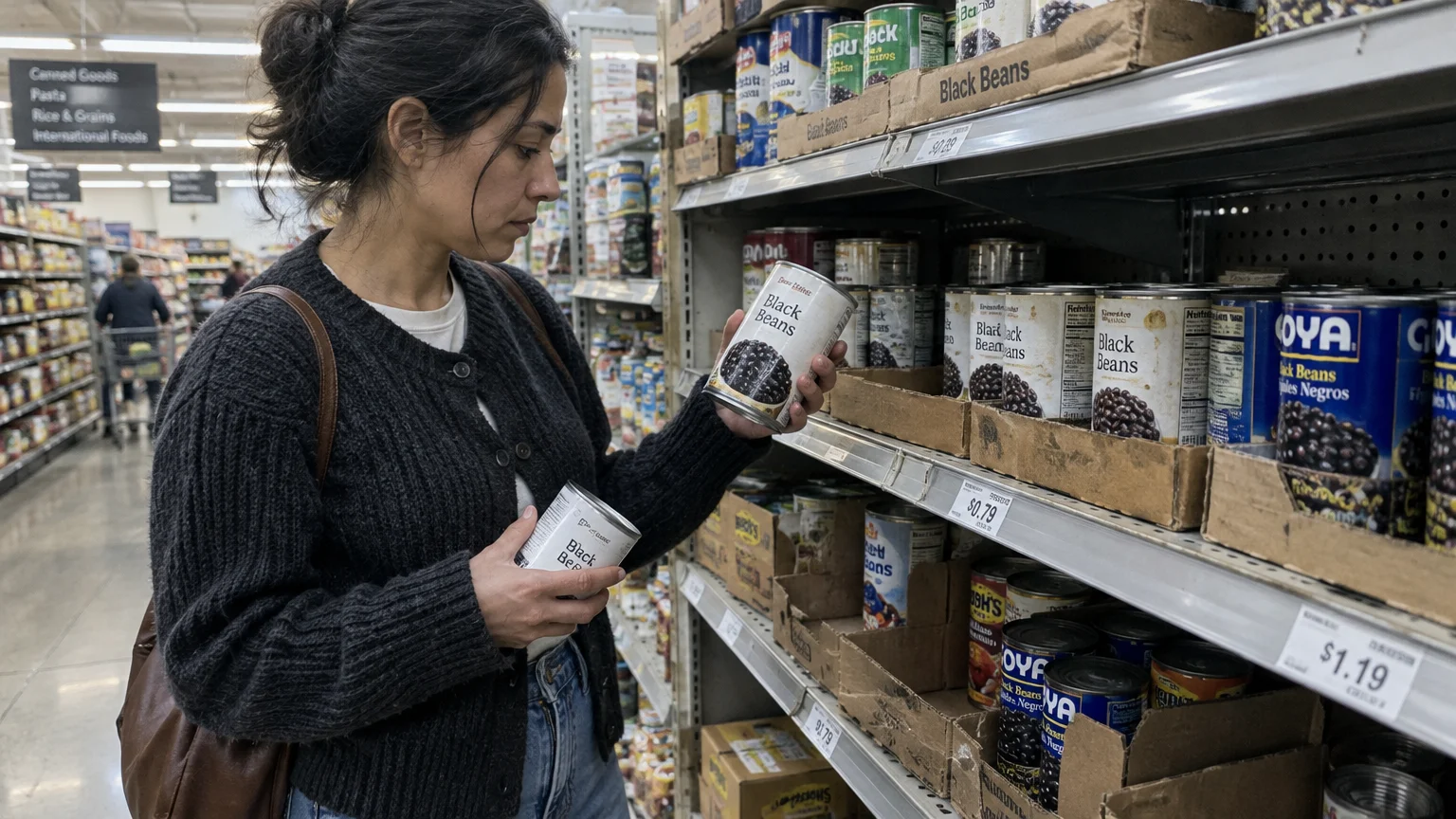
Shelf tags also show where store brands—often called private labels—beat national brands. You frequently pay less per ounce for comparable single-ingredient grilling staples like frozen corn, extra-firm tofu, or canned beans.
Nutrition, Grill Safety, and Food Labels in Plain English
Smart grilling saves money and protects your health when you know how to scan packages and control heat. Ignore flashy front-of-package slogans like “natural” or “artisan,” which often serve marketing more than nutrition.
Flip the package over and inspect the Nutrition Facts panel and ingredient list first. Check added sugars—syrups, honey, or cane sugar mixed in during processing rather than occurring naturally in fruit or milk—especially on bottled barbecue sauces.
Scan sodium and saturated fat next, particularly on pre-marinated meats and sausages. Notice how many ingredients you recognize; foods packed with industrial stabilizers, dyes, and flavorings are typically ultra-processed—heavily altered from whole ingredients.
If you buy grilling-season vitamins or electrolyte mixes, look for USP verification—an independent seal showing a supplement contains what the label claims in the right strength without harmful contaminants.
On the grill itself, choosing plants over red meat changes your health math. Cooking muscle meats above 300°F creates heterocyclic amines (HCAs), while fat dripping onto flames forms polycyclic aromatic hydrocarbons (PAHs) in smoke.
Grilling fruits and vegetables creates zero HCAs, though avoiding heavy charring prevents PAHs from forming on burned plant surfaces. The American Institute for Cancer Research recommends filling at least two-thirds of your plate with plants.
It also advises capping cooked red meat at 18 ounces per week; yet its 2024 survey found only 20% of Americans knew grilled meats link to cancer. Marinating meat for at least one hour, flipping often, and trimming char all cut risk.
Food safety still demands a digital instant-read thermometer. USDA rules require 145°F plus a three-minute rest for whole cuts of beef, pork, and lamb, 145°F for finfish, 160°F for ground meats and egg dishes, and 165°F for all poultry and leftovers.
Always rinse whole fruits and vegetables—even melons, avocados, and citrus with thick peels—under running water without soap right before slicing. Otherwise, your knife drags surface bacteria straight into the edible flesh.
Never reuse marinades that touched raw meat or poultry unless you boil them first, and keep perishables out of the 40°F to 140°F danger zone. Bacteria can double in as little as 20 minutes, limiting outdoor holding to two hours—or one hour above 90°F.
Finally, protect your home and throat. Gas grills cause an average of 9,235 home fires annually, with 20% involving grills that had not been cleaned; keep grills off combustible balconies, stay 10 feet from buildings, and keep kids three feet back.
Never grill inside a garage because of carbon monoxide, and throw away metal wire grill brushes. Following 2026 recalls of millions of Weber and Nexgrill wire brushes over swallowed bristles, safety officials recommend nylon brushes or balled-up aluminum foil.
35 Unusual Grilled Foods Worth Putting on Your Grates
Most backyard cooks stick to burgers and hot dogs, missing dozens of affordable things to grill. Grouping these 35 unusual grilled foods by aisle helps you build creative menus around weekly sales.
Fruits and Sweet Grilling Ideas
Fresh fruit is forecast to climb slightly faster than average in 2026, so buy whole fruit in season rather than pricey pre-cut tubs. Heat concentrates natural sugars without adding processed sweeteners.
1. Watermelon: Cut rinsed melon into thick triangles, brush lightly with oil, and sear two minutes per side over high heat. The smoky, savory crust pairs well with cheap crumbled cheese or lime juice.
2. Pineapple Rings: Core and slice a whole fresh pineapple instead of buying pre-sliced plastic containers to slash your unit price. Dust with cinnamon and grill until deep char marks form.
3. Peaches and Nectarines: Halve ripe stone fruit, remove the pits, and place cut-side down over medium heat for four minutes. Serve warm with plain yogurt, taking advantage of falling 2026 dairy prices.
4. Avocados: Wash the bumpy skin first, halve, pit, and brush the flesh with oil and lemon juice. Grill cut-side down for three minutes to create a creamy, smoky base for bean salsa.
5. Bananas in the Peel: Slice unpeeled bananas lengthwise without cutting through the bottom skin, then place flesh-side up over indirect heat. When the peel blackens, scoop out warm caramelized fruit for pennies.
6. Strawberries on Skewers: Thread hulled berries onto water-soaked wooden skewers before they soften in your fridge. Two minutes over hot grates prevents food waste and builds an easy dessert topping.
7. Pound Cake Slices: Cut store-brand pound cake or angel food cake into thick slabs and toast one minute per side. Check the Nutrition Facts label for added sugars, then top with grilled berries.
Overlooked Vegetables and Leafy Greens
Because fresh vegetables may cost more in 2026, tough, dense produce with low per-pound prices gives you maximum volume. None of these plant picks produce HCAs on the grill.
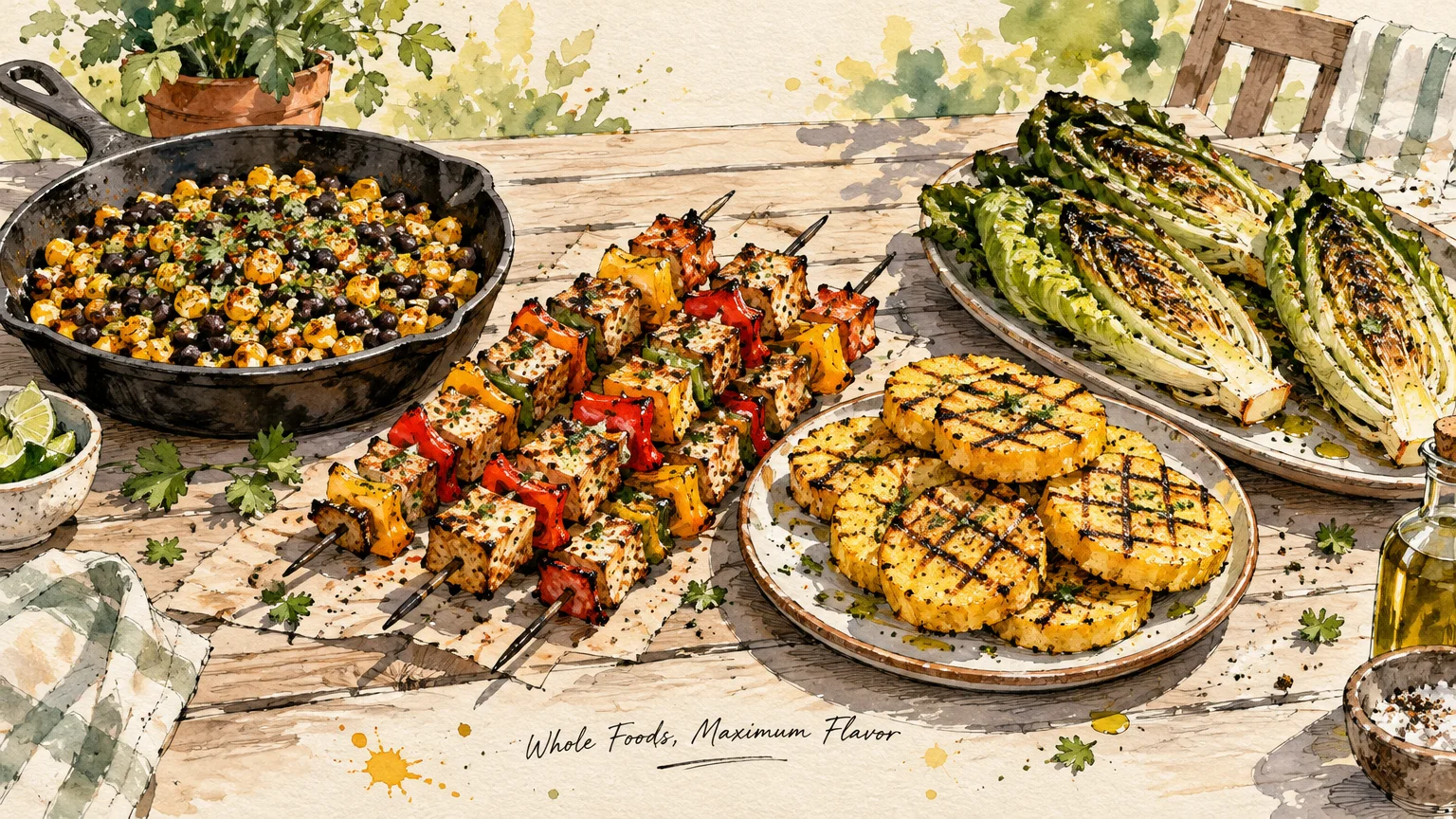
8. Romaine Lettuce Hearts: Wash whole heads, slice lengthwise through the core, brush with oil, and sear cut-side down for 90 seconds. You get warm, smoky Caesar salads without turning on the oven.
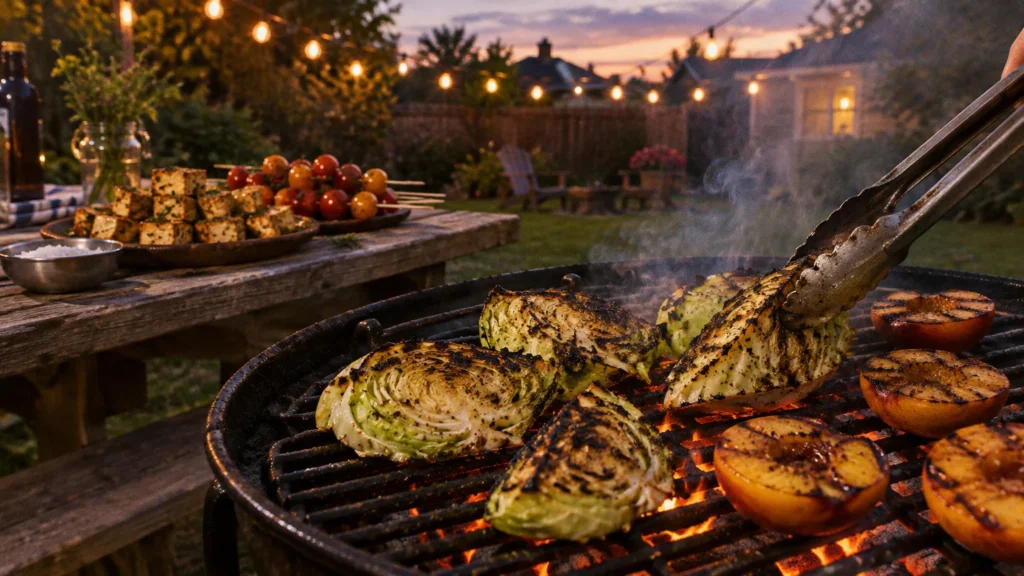
9. Cabbage Steaks: Green cabbage ranks among the cheapest vegetables per pound year-round. Cut one-inch rounds through the core, season with garlic powder, and grill over medium heat until edges turn sweet and tender.
10. Radishes: Halve trimmed radishes, toss in a foil packet or grill basket with oil and salt, and roast for 15 minutes. Heat mellows their sharp peppery bite into a mild, potato-like side dish.
11. Carrots: Split thick carrots lengthwise and grill over medium heat until fork-tender. Avoid burning the exterior black so you minimize PAH exposure while enjoying natural sweetness.
12. Cauliflower Steaks: Slice thick slabs from the center of a washed cauliflower head and brush with olive oil and smoked paprika. Two steaks easily anchor a plant-heavy dinner plate.
13. Green Onions and Scallions: Rub whole trimmed bunches with neutral oil and blister directly across the grates for three minutes. Chop them over rice bowls, eggs, or baked potatoes for bright onion flavor.
14. Sweet Potatoes: Slice peeled or scrubbed sweet potatoes into half-inch planks, par-cook briefly in the microwave, and finish on the grill. You save propane or charcoal while getting rich fiber and crisp grill marks.
Dairy, Eggs, and Breads on the Grate
Eggs averaged just $2.19 per dozen in July 2026, and dairy prices are dropping across the board. Meanwhile, 12% of grill owners already cook for brunch and 7% grill breakfast.
15. Halloumi Cheese: This firm cheese holds its shape over high heat instead of melting through the grates. Slice it half an inch thick, sear two minutes per side, and squeeze lemon over the golden crust.
16. Feta Block in Foil: Place an eight-ounce block of store-brand feta on double-layered foil with diced tomatoes and oregano. Grill covered for 12 minutes until soft; watch portion sizes since feta runs high in sodium.
17. Whole Eggs in Cast Iron: Crack eggs into a preheated, oiled cast-iron skillet right on the grill grates. Cook until both whites and yolks turn firm to meet safe egg guidelines.
18. Grilled Frittata: Whisk six eggs with leftover grilled vegetables and milk in a grill-safe skillet over indirect heat. Use a thermometer to verify the center hits 160°F before slicing.
19. Sourdough or French Bread: Brush day-old clearance bakery slices with olive oil and toast over medium heat until crisp. Rub warm slices with a raw garlic clove for frugal garlic bread.
20. Homemade Pizza Dough: Stretch store-bought or homemade dough thin, brush with oil, and grill two minutes per side before adding toppings. Making grilled pizza beats restaurant delivery, where prices are rising 3.6% in 2026.
21. Corn Tortillas and Naan: Warm stackable flatbreads or tortillas directly over low flame for 20 to 30 seconds per side. Light charring unlocks toasted grain flavor at pennies per serving.
Budget Proteins, Legumes, and Pantry Staples
Swapping half your red meat nights for pork, poultry, tofu, or beans protects both your wallet and your weekly red-meat limit. These hearty grilling tips keep protein affordable.
22. Extra-Firm Tofu: Press out moisture with a clean towel, slice into slabs, and marinate in soy sauce and ginger. Tofu delivers high protein with zero HCAs.
23. Tempeh Strips: Slice fermented soybean cakes into thick strips and brush with low-sugar barbecue glaze near the end of cooking. Tempeh absorbs smoke rapidly and resists crumbling on hot grates.
24. Pork Tenderloin or Chops: With pork inflation sitting near 1.0% in 2026, center-cut pork chops offer tremendous value. Pull whole cuts at 145°F and let them rest three minutes before slicing.
25. Chicken Thighs: Boneless or bone-in thighs frequently beat boneless chicken breast on unit price and stay juicy on hot grates. Always verify the thickest part reaches 165°F before serving.
26. Turkey Burgers: Season lean ground turkey with grated onion and Worcestershire sauce so patties stay moist without excess fat. Cook until a thermometer reads 165°F inside every patty.
27. Chickpeas in a Grill Basket: Drain and rinse canned chickpeas to cut sodium, toss with oil and cumin, and roast in a perforated basket. They turn crunchy enough to replace pricey croutons or meat toppers.
28. Polenta Logs: Slice shelf-stable tubes of pre-cooked polenta into half-inch rounds and oil lightly. Four minutes per side produces crispy corn cakes that pair cleanly with tomato sauce or grilled zucchini.
Unexpected Seafood, Pickles, and Flavor Boosters
Seafood prices are climbing faster than average in 2026, so smart cooks target frozen bulk bags, canned-adjacent whole fish, and high-impact flavor enhancers. Small portions go a long way.
29. Whole Sardines or Mackerel: Ask your seafood counter for inexpensive small oily fish, oil the grates well, and cook three minutes per side. Pull them when the flesh reaches 145°F and flakes cleanly.
30. Clams and Mussels: Place scrubbed shellfish directly on hot grates or in a cast-iron pan until shells pop open. Follow FDA safety rules and throw away any clam or mussel that stays shut.
31. Frozen Shrimp Skewers: Buy store-brand bags of frozen raw shrimp on sale, thaw safely in the fridge, and thread tightly onto skewers. Grill two minutes per side until firm, pearly, and opaque.
32. Lemons and Limes: Halve washed citrus and sear cut-side down for three minutes until caramelized. Grilled citrus yields sweeter, smokier juice that replaces heavy butter sauces on fish or greens.
33. Whole Garlic Bulbs: Slice the top quarter inch off a whole bulb, drizzle with oil, and wrap in foil for 35 minutes. The sweet roasted cloves spread onto bread or whisk into salad dressings.
34. Dill Pickle Spears: Pat large dill spears dry with paper towels, brush lightly with oil, and blister two minutes per side. They add smoky crunch to turkey burgers, though watch sodium if you limit salt.
35. Olives in Cast Iron: Warm pitted olives with rosemary sprigs and orange peel in a small skillet over indirect heat. Serving warm olives turns pantry staples into a low-cost cookout appetizer.
Smart Store Strategy for Affordable Cookouts
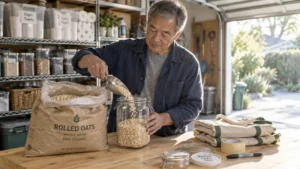
Many shoppers hear they should only shop the outer perimeter of the grocery store, avoiding center aisles completely. That myth costs you money because center aisles hold shelf-stable bargains like dried beans, canned chickpeas, polenta, spices, and rolled oats.
Balance both zones by starting with weekly circular loss leaders—deeply discounted items priced below store cost to pull shoppers through the door. Often a grocer slashes pork chops, whole melons, or frozen shrimp to draw foot traffic.
If a hot loss leader sells out before you arrive, ask customer service for a rain check—a voucher locking in the sale price once new stock arrives. Pair those flyers with free store digital coupons clipped in your grocer’s app.
Skip paid warehouse club memberships unless you track unit prices closely and have freezer space to prevent waste. Impulse buying bulk snacks wipes out membership savings fast.
Build a simple grilling pantry around versatile swaps rather than single-use sauces. Keep olive oil, vinegar, garlic powder, smoked paprika, dried oregano, canned beans, rice, and tortillas on hand so any discounted produce becomes dinner.
Worked Examples: Budget Grilling Math in Action
Putting these habits together turns abstract advice into real cash savings. Here is a worked one-week $50 grilling-friendly grocery basket for two adults using 2026 staple benchmarks and smart swaps.
Spend about $13 on three pounds of boneless chicken thighs or pork chops on sale, plus $4.38 for two dozen Grade A large eggs at $2.19 per dozen. Add $4.31 for a gallon of whole milk and $5 for two blocks of store-brand tofu and feta.
Put $12 toward sturdy produce: one head of cabbage, romaine hearts, carrots, sweet potatoes, bananas, and a whole pineapple. Use the remaining $11.31 on rolled oats, store-brand tortillas, canned chickpeas, garlic, lemons, and bread.
From that $50 basket, breakfast alternates between grilled-veggie frittatas and oatmeal cooked with milk and bananas. Lunches rely on leftover grilled chicken or tofu wraps with smoky romaine and crispy spiced chickpeas.
Dinners cover four distinct nights: spiced pork or chicken with grilled cabbage steaks, tofu and pineapple skewers over rice, grilled tortilla tacos with avocado or chickpeas, and grilled flatbread topped with blistered scallions and feta.
Now run a quick “Is it cheaper to cook this?” check on dinner for two. Ordering two grilled chicken wraps and sides from a restaurant easily tops $28 before tax and tip, especially with 2026 restaurant inflation running at 3.6%.
At home, using store-brand tortillas, discounted thighs near $3.50 per pound, cabbage, and garlic drops the total dinner cost close to $6 for two people. Choosing private-label staples over national-brand sauces and wraps trims another $2 to $3 per meal.
Brand and Retailer Decisions Without the Hype
Do not assume every store brand tastes identical or every national brand is a rip-off. Test store brands systematically on single-ingredient staples like olive oil, frozen shrimp, canned beans, and foil first.
Stick with a trusted national brand when specific performance or medical safety matters. If someone in your household manages severe food allergies, buy brands with transparent allergen-control labeling you trust.
Taste and texture also count on items like specialty cheeses, Dijon mustard, or gluten-free breads where cheaper substitutes fall flat or crumble on grates. Buy the winner and skip the rest.
Use the same skepticism for wellness products. Before taking any supplement advertised for grill-season energy or joint health, confirm third-party testing like USP verification and ask your doctor or pharmacist about medication interactions.
Frequently Asked Questions
Are store brands really the same product as name brands?
Sometimes, yes—many private-label canned goods, frozen vegetables, and dairy staples come from major food manufacturers under different labels. However, recipes and spice blends can differ, so test one package before buying multiples.
Do digital coupons still matter if I buy store brands?
Yes, especially when a manufacturer coupon stacks with a weekly store sale on oil, spices, or foil. Just ignore coupons for expensive ultra-processed snacks you would not otherwise buy.
What does USP mean on vitamins?
A USP Verified mark means an independent nonprofit verified the supplement’s ingredients, potency, and purity against strict standards. It never replaces medical advice, so check with a clinician before starting new pills.
How do I avoid impulse buys while shopping for a cookout?
Eat before you shop, bring a written list built around three or four core bbq recipes, and skip end-cap displays stacked with chips and sodas. Compare unit prices before tossing any unplanned treat into your cart.
Does buying in bulk make sense for one or two people?
Bulk packs only save money if you portion and freeze meat or bread immediately using airtight bags. Throwing away slimy bulk lettuce or freezer-burned steaks costs far more than paying slightly higher small-pack unit prices.
What is the safest way to clean grill grates without a wire brush?
Preheat your grill, turn off the burners, and scrub grates with a ball of heavy-duty aluminum foil held in long tongs or a sturdy nylon brush after grates cool. Never risk loose metal bristles landing in your food.
Disclosure: This article provides general informational and consumer education content only; it is not medical, nutrition, or legal advice. Always read product labels, follow local fire codes, and consult a healthcare professional regarding allergies, supplements, and medications. Grocery prices and availability vary by store and region.
Food safety and labeling via the U.S. Food & Drug Administration (FDA) and the U.S. Department of Agriculture (USDA).
Dietary supplements information via the NIH Office of Dietary Supplements (ODS) and third-party standards at the U.S. Pharmacopeia (USP).
Consumer protection and advertising basics via the FTC. General health guidance via the CDC.