Walk past the warehouse bakery this season and you will spot familiar boxes returning to the tables. With twelve returning favorites back on shelves, you can save big on holiday desserts—if you know which price tags deliver real value.
Bulk pastries look cheap until unit pricing shifts or half a cheesecake spoils on your counter. This guide breaks down current prices, size changes, nutrition labels, and safe storage rules across these popular bakery returns.
You will also learn how to spot shrinkflation, plan a balanced weekly food budget, and freeze leftovers safely.
12 Returning Costco Bakery Favorites for 2026
Shoppers tracking costco bakery items in 2026 have seen several crowd-pleasing treats rotate back into refrigerated cases and dry tables. Prices and availability vary by warehouse region, and online or delivery prices run higher than in-warehouse tags.
Classic Fall Pies and Cheesecakes
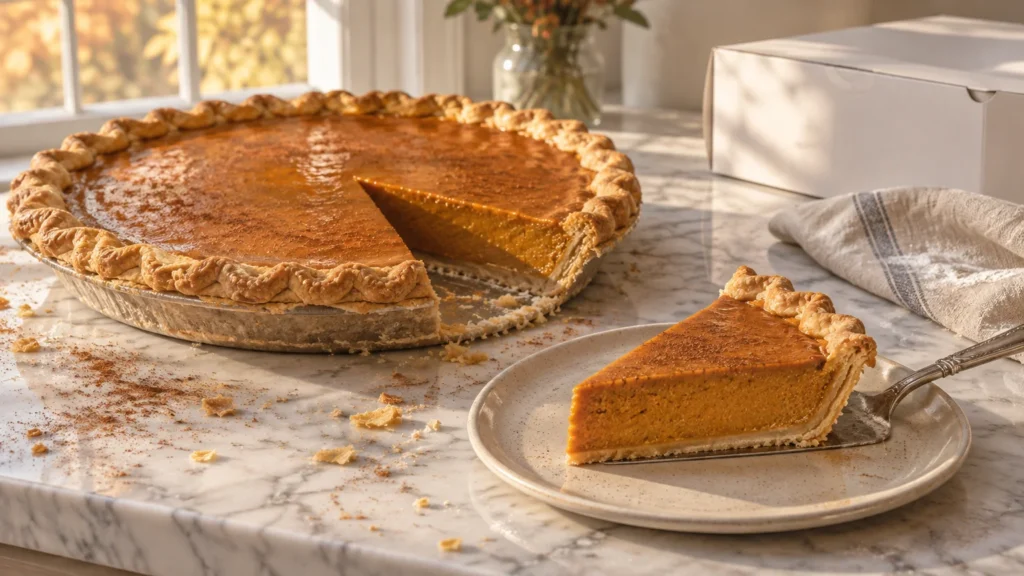
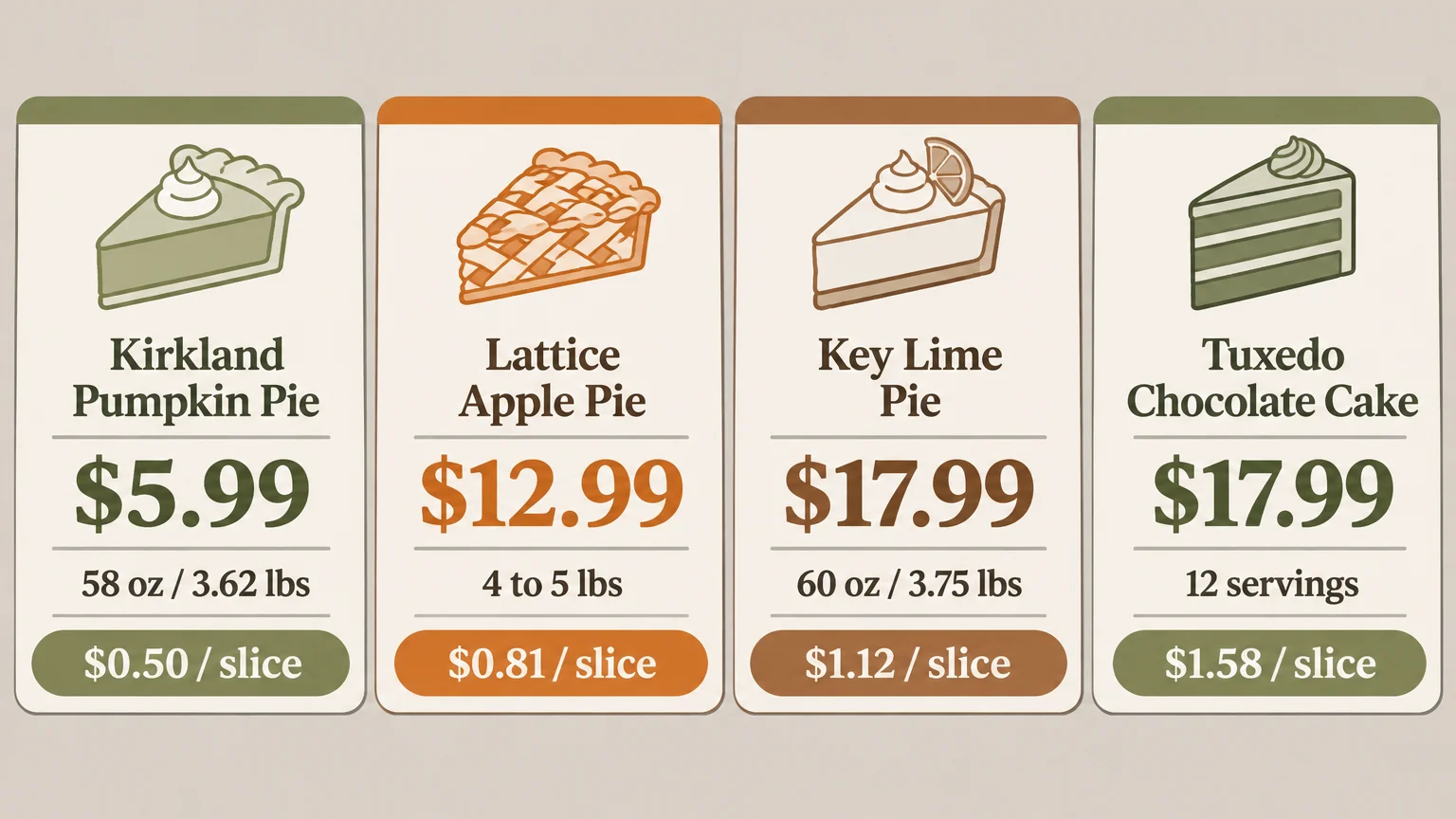
The Kirkland Signature Pumpkin Pie anchors the costco fall bakery lineup at $5.99 for a massive 12-inch, 58-ounce pie. Sold since 1987 under Item #60809, this 3.62-pound dessert returned as early as August 14 in 2026.
In the three days before Thanksgiving 2023, Costco sold over 4 million pies, including 2.9 million pumpkin pies. At $5.99 for 12 labeled servings, you pay roughly $0.50 per slice.
For nutty sweetness, the Kirkland Signature Pecan Pie returns for the 2026 Thanksgiving season at $16.99. Weighing roughly 4.5 pounds, it serves a large gathering without the labor of making caramel filling from scratch.
Fruit-pie fans can pick up the Kirkland Signature Lattice Apple Pie for around $12.99 in most warehouses, though some markets reach $15. Depending on the batch, it weighs 4 to 5 pounds and drops to about $0.81 per serving across 16 slices.
If you prefer chilled desserts, the Kirkland Signature Pumpkin Cheesecake with Whipped Topping sits in refrigerated cases at $21.99 under Item #1951029. Its dense cream cheese base makes small slivers satisfying, which stretches the cost across more guests.
Rich Cakes and Citrus Favorites
Back in refrigerated cases since spring 2026, the Kirkland Signature Tiramisu Cheesecake costs $22.99 to $23.99 for a 4.5-pound cake. Because that weight equals 72 ounces, it competes strongly against specialty bakery cheesecakes priced much higher per pound.
The layered Kirkland Signature Tuxedo Chocolate Mousse Cake also returned in 2026, including a seasonal Valentine’s edition, at $17.99 to $18.99. Slicing it into 12 generous portions works out to roughly $1.58 per serving.
Fall shoppers looking for sheet-cake convenience often grab the Kirkland Signature Pumpkin Bar Cake at $16.99. Yielding around 20 slices, this seasonal square cake brings cost down below a dollar per piece for office parties or potlucks.
Summer brought back the tangy Kirkland Signature Key Lime Pie in June 2026 at $17.99, though local warehouse pricing varies. Measuring 3 pounds 12 ounces—or 60 ounces total—it cuts into 16 slices at roughly $1.12 each.
Breakfast Pastries and Bite-Sized Treats
After nearly two years off shelves since late 2024, Kirkland Signature Gooey Cinnamon Rolls returned in November 2026 at $12.99 for a 6-count tray. That breaks down to about $2.17 per roll, considerably higher than Costco’s older discontinued $6.99 pull-apart rolls.
First sold in 2023, the Maple Pecan Coffee Cake returned in November 2026 under Item #2095475 with an updated cream cheese icing drizzle. Weighing roughly 54 ounces, it tracked at $12.99 to $14.99 across 608 warehouses by late November.
Sweet snackers can also find Kirkland Signature Caramel Apple Strudel Bites priced at $7.99 for a 12-count box in November 2026. Tracked at 621 locations under Item #1962444, those flaky bites actually dropped $1 from their $8.99 launch price in late 2025.
Rounding out the costco seasonal desserts list, Blueberry Cheesecake Caramelized Croissants arrived for fall 2026 at $12.99 for a 6-pack. At roughly $2.17 per pastry, they cost less than many coffee-shop croissants while doubling as a weekend brunch centerpiece.
Beyond those twelve headline returns, keep an eye out for other costco new items rotating through 2026. Shoppers have spotted Cookies & Cream Cupcakes at $8.99 for 12 ($0.75 each) and Shortbread with Belgian Milk Chocolate at $13.99 for 15 ($0.93 each).
Twice-Baked Cinnamon Filled Croissants debuted in July 2026 at $11.34, followed by Cherry Almond Coffee Cake in August at $11.99. Knowing these reference prices helps you decide quickly when a limited batch hits the floor.
How to Read Prices and Packages
Big boxes can trick your eyes into thinking every warehouse item is an automatic bargain. To shop like a skeptic, calculate the unit price—the total cost divided by total ounces, pounds, or individual servings.
Comparing unit prices across different package formats protects your budget from shrinkflation, which happens when a retailer shrinks package weight or count while holding or raising the sticker price. Two recent shifts in the costco bakery 2026 lineup prove why checking ounces matters.
Take Kirkland Signature Muffins, including seasonal Pumpkin Streusel. Prior to late 2024, shoppers had to buy two 6-packs weighing 35 ounces each—70 ounces total—for $9.99, which equaled roughly $0.143 per ounce.
Costco later replaced that bundle with a single 8-pack weighing 31 ounces at $6.99, or about $0.87 per muffin. Although your out-of-pocket buy-in dropped by $3, the unit price jumped to roughly $0.225 per ounce—a 54% to 58% increase per ounce.
You can see similar math with All-Butter Dinner Rolls under Item #1969418, priced at $6.99 in November 2026. That bag holds a 24-count, 36-ounce batch at $0.194 per ounce, or roughly $0.29 per roll.
Shoppers note it replaced an older 30-count, 48-ounce package that sold for $5.99, or $0.125 per ounce. Even at $0.29 per roll, the new pack beats many supermarket bakery rolls, yet the per-ounce jump is real.
Private-label items like Kirkland Signature generally undercut national brands because the retailer eliminates middleman marketing budgets. Still, never assume a store brand wins automatically; always compare weight on the shelf tag before tossing it into your cart.
When everyday staples fit your needs, Kirkland Signature benchmarks remain hard to beat. A 12-count pack of Butter Croissants costs $5.99 ($0.50 each) at 2.3 ounces per croissant—roughly 40% larger than typical grocery croissants, even after rising from $4.99.
Similarly, 24 Chocolate Chunk Cookies sell for $9.99, working out to $0.42 per cookie. Comparing those everyday rates against $2.17 gourmet rolls helps you decide when to splurge and when to stick with classics.
Nutrition & Safety, in Plain English
Understanding what sits inside a bakery clamshell keeps both your health goals and food safety intact. Front-of-pack labels highlight appealing words like butter or caramel, whereas the Nutrition Facts panel and ingredient list show the real story.
Look at the label on the 58-ounce Pumpkin Pie as a practical walkthrough. It lists 12 servings per pie, with each slice delivering 320 calories, 13 grams of fat, and 25 grams of sugar—meaning the entire pie holds 3,840 calories.
Pay close attention to added sugars, which are sugars and syrups put into food during processing rather than occurring naturally in fruit or milk. Ingredient lists order items by weight, so if sugar appears near the top, treat the item as an occasional dessert.
Many commercial pastries also qualify as ultra-processed foods—products made with industrial formulations, stabilizers, or emulsifiers you would not keep in a home pantry. Enjoying a slice at holiday dinner is completely fine when balanced with whole grains, vegetables, and lean proteins all week.
Food safety matters just as much as nutrition because throwing away spoiled bulk desserts destroys your savings. According to the USDA and FoodSafety.gov, pumpkin, pecan, and custard pies count as perishable, egg-rich items.
You must not leave those pies sitting at room temperature—inside the 40°F to 140°F bacterial danger zone—for more than 2 hours. After serving, refrigerate leftovers promptly.
Per USDA FSIS and FoodSafety.gov timelines, fresh pumpkin and pecan pies stay safe in the refrigerator for 3 to 4 days. Notice that Costco’s fresh pumpkin pie typically carries a best-before date roughly 3 days out.
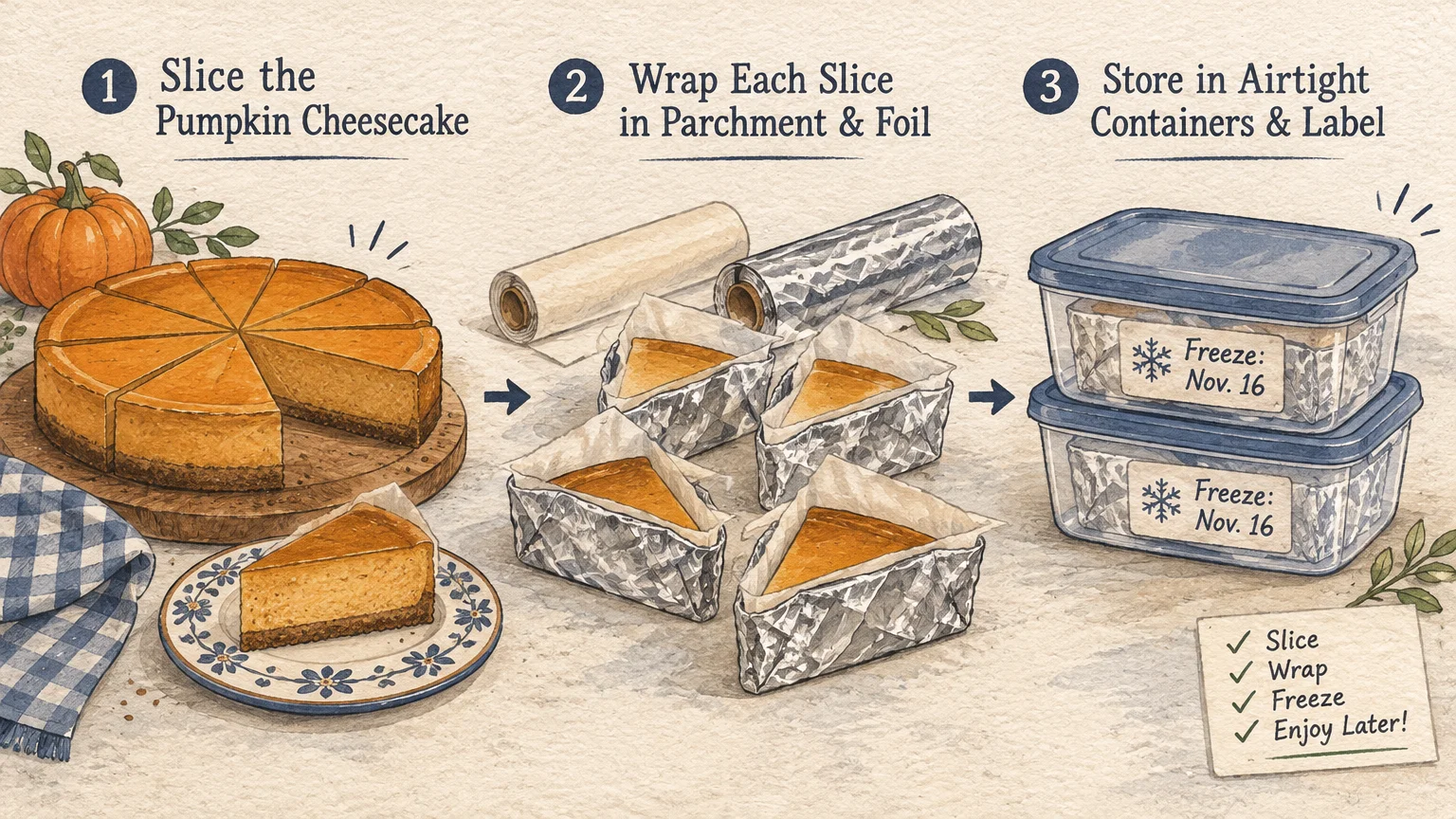
To prevent waste, slice leftovers and freeze them in airtight containers for 1 to 2 months, then thaw them overnight in the fridge before serving. By contrast, dairy-free fruit pies like lattice apple pie stay safe at room temperature for 2 to 3 days thanks to high sugar and acidity.
Meanwhile, FDA Food Storage Guidelines require keeping baked goods made with custard, cream cheese, or whipped toppings refrigerated at all times. That rule covers Tiramisu Cheesecake, Pumpkin Cheesecake, Tuxedo Chocolate Mousse Cake, Pumpkin Bar Cake, and Maple Pecan Coffee Cake.
If you browse the warehouse supplement aisle during the same trip, apply the same label skepticism. Look for USP verification—a seal indicating independent testing from the U.S. Pharmacopeia that checks whether a supplement contains its listed ingredients without harmful contaminants.
Food safety and labeling via the U.S. Food & Drug Administration (FDA) and the U.S. Department of Agriculture (USDA).
Dietary supplements information via the NIH Office of Dietary Supplements (ODS) and third-party standards at the U.S. Pharmacopeia (USP).
Smart Store Strategy
Warehouse clubs run on completely different math than standard neighborhood grocery stores. As of August 30, 2026, Costco operated 939 warehouses globally—including 647 in the United States and Puerto Rico—serving 84.1 million paid members and 150.4 million cardholders.
With a 92.3% membership renewal rate in the U.S. and Canada, the business relies heavily on annual membership fees rather than steep markups. Annual fees sit at $65 for Gold Star or Business and $130 for Executive, which pays a 2% annual reward capped at $1,250.
New members enrolling with auto-renewal through December 20, 2026 receive a $45 digital Costco Shop Card, lowering first-year net entry costs. Across FY2026, the warehouse giant operated on an 11.09% gross merchandise margin while stocking roughly 4,000 SKUs compared to around 30,000 at standard supermarkets.
Within that lean inventory sits a textbook loss leader—an item priced near or below cost specifically to pull shoppers through the doors. That explains how a 3.62-pound Pumpkin Pie stays at $5.99 while specialty pecan and cheesecake desserts sell for $16.99 to $23.99.
Timing your trip prevents last-minute panic buying and extra fees. All U.S. Costco warehouses close on Thanksgiving Day—Thursday, November 26, 2026—so you need to buy fresh pies by Wednesday, November 25.
Skip third-party delivery apps whenever possible, since online and Instacart markups quietly erase bulk bakery savings. Also ignore the old myth that healthy or budget items live only along the store perimeter.
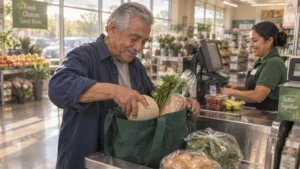
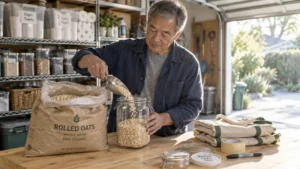
Fresh perimeter zones hold perishable produce and bakery boxes, yet center aisles carry shelf-stable dried beans, oats, olive oil, and canned tomatoes at rock-bottom unit costs. Combining smart pantry staples with selective bakery buys keeps your total cart balanced.
Warehouse clubs rarely offer rain checks on seasonal drops or accept standard manufacturer paper coupons. Instead, watch monthly warehouse coupon booklets and digital member savings, and stick firmly to a written list before entering.
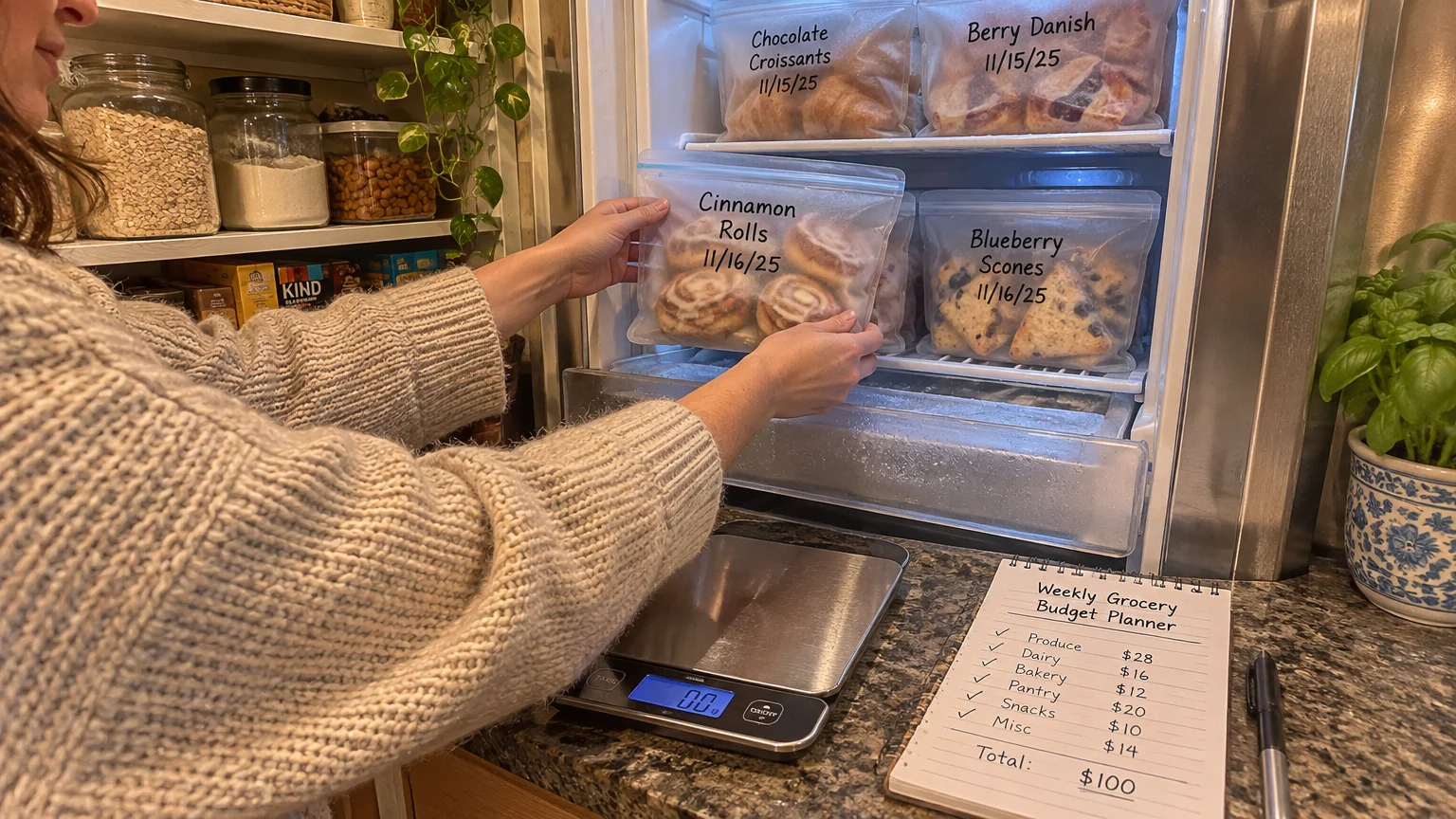
A strong pantry strategy turns bulk bakery items into stretched-out value rather than sugar overload. Wrap extra Butter Croissants individually in freezer paper and store All-Butter Dinner Rolls in zip-top freezer bags so you only thaw what your household finishes in two days.
Consumer protection and advertising basics via the FTC. General health guidance via the CDC.
Worked Examples
A One-Week, $50 Basket for Two
Planning a $50 weekly grocery basket for two adults requires pairing low-cost pantry foundations with targeted fresh produce and smart bakery portions. You do not need exotic ingredients to eat varied, nourishing meals all week.
For breakfasts, pair rolled oats cooked with frozen berries alongside a single box of $5.99 Butter Croissants kept mostly in the freezer. Pulling out two croissants on weekend mornings gives you a warm café-style breakfast at $0.50 per pastry without blowing your budget.
Lunches stay simple with a pot of lentil and vegetable soup simmered on Sunday, served with toasted All-Butter Dinner Rolls from a $6.99 bag stored in the freezer. At roughly $0.29 per roll, two rolls add comforting heft to bean or chicken soup for pennies.
For four dinners across the week, rotate rice and black bean bowls with sautéed bell peppers, roasted chicken thighs with baked potatoes and steamed broccoli, pasta tossed with canned crushed tomatoes and garlic, and egg-fried rice using leftover grains and frozen peas.
Allocating roughly half your budget to proteins and produce, around a third to grains and canned staples, and a small slice to frozen-ahead bakery staples keeps total spend near $50. You eat balanced whole foods Monday through Friday while still enjoying flaky bakery treats.
Is It Cheaper to Cook This From Scratch?
Frugal cooks often assume homemade always beats store-bought, yet the $5.99 Pumpkin Pie breaks that rule. Buying heavy cream, three eggs, pumpkin puree, evaporated milk, spices, sugar, and butter or pie crust ingredients for a 58-ounce pie easily exceeds $5.99 at retail grocery prices.
Because Costco treats the pumpkin pie as a high-volume seasonal magnet, buying it ready-made saves both money and over an hour of oven time. On the flip side, compare making simple drop biscuits or oatmeal cookies at home versus buying $12.99 Gooey Cinnamon Rolls at $2.17 each.
Mixing store-brand flour, sugar, baking powder, and butter at home yields dozens of warm breakfast biscuits or cookies for a fraction of $12.99. Choosing store-brand baking staples over national-brand boxed mixes stretches that homemade advantage even further.
Brand & Retailer Decisions
Smart shoppers skip brand worship and evaluate every item on ingredients, allergen safety, and household capacity. Private labels frequently match national brands in blind taste tests while costing noticeably less per ounce.
Still, national brands earn their spot when specific performance or medical needs apply. If someone in your household manages severe tree-nut, peanut, or celiac allergies, a dedicated national brand with strict allergen-free facility labeling beats an open-bakery store item where cross-contact warnings appear.
Package size also dictates the winner. A 4.5-pound Tiramisu Cheesecake at $22.99 delivers great per-pound value for twelve guests, yet a single shopper with a tiny freezer is better off buying two individual slices at a local grocer rather than letting three pounds spoil.
Apply the same clear-eyed rule to dietary supplements sold near the pharmacy counter. Third-party testing seals like USP confirm purity and potency, yet they never replace personalized medical advice.
Always speak with your doctor or pharmacist before starting vitamins, herbal blends, or mineral supplements, since even common over-the-counter products can interact with prescription medications.
FAQs
Are store brands really the same product?
Private-label goods are often produced by major food manufacturers using specifications set by the retailer. While quality frequently rivals national brands, recipes, butterfat levels, and suppliers can differ, so check ingredient lists and unit prices rather than assuming identical formulas.
Do coupons still matter at warehouse clubs?
Traditional clipped paper coupons do not work at Costco checkouts, but monthly member savings books and digital promotions still trim substantial dollars off staples. Pairing store-wide instant savings with disciplined unit-price comparisons works better than hunting random promo codes.
What does USP mean on vitamins?
The USP Verified mark indicates that an independent nonprofit organization tested the supplement for identity, strength, purity, and clean manufacturing. It confirms what is inside the bottle matches the label, though it does not prove a supplement will treat or cure any health condition.
How do I avoid impulse buys in the bakery?
Eat a snack before walking into the warehouse, set a hard dessert budget, and check your freezer space before you leave home. Treating seasonal pastries as planned celebration buys—not automatic weekly cart fillers—stops impulse overspending.
What about buying in bulk for one or two people?
Bulk buying works for small households only when items freeze cleanly or last months in a cool pantry. Stick to freeze-friendly picks like croissants, dinner rolls, and sliced pie, and skip massive cream cakes unless you can split the box and cost with neighbors.
Disclosure: This article is for informational purposes only and does not constitute medical or nutrition advice. Always read product labels carefully and consult a qualified healthcare professional regarding dietary supplements, food allergies, and medication interactions. Prices and item availability vary by warehouse and region.