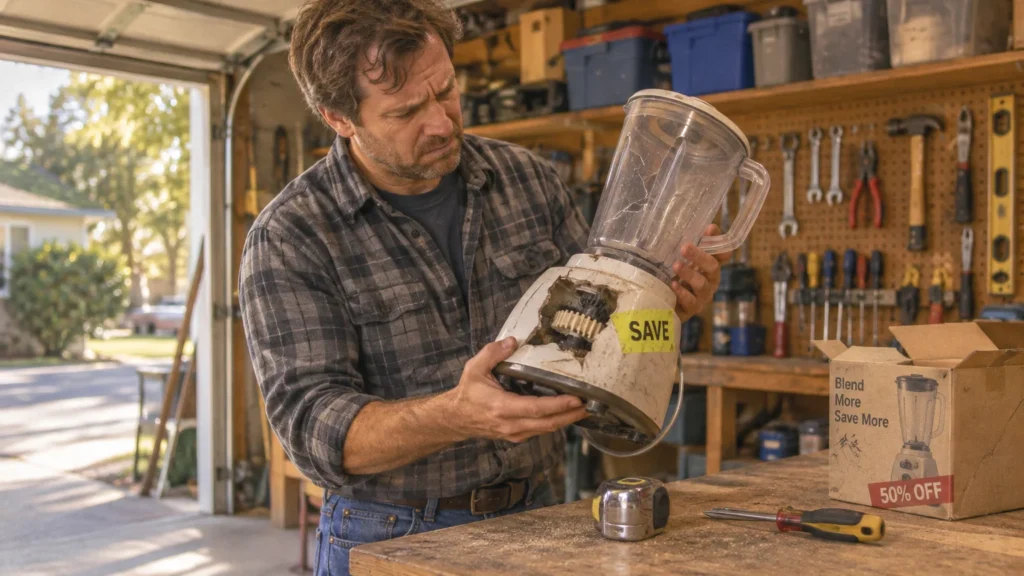
Low sticker prices often hide steep ongoing bills, premature breakdowns, or quiet recurring charges. On a fixed retirement budget, those fake bargains drain your monthly cash cushion faster than everyday price increases.
You do not need extreme couponing or rigid deprivation to keep more money each month. You simply need practical smart shopping math that exposes money wasting purchases before they reach your checkout lane.
Below, you will learn how to spot 14 common traps and replace them with reliable routines for budgeting, utility bills, senior perks, and safe home upkeep.
Everyday Checkout and Subscription Fake Bargains
1. Bulk Perishables and Stock-Up Grocery Deals
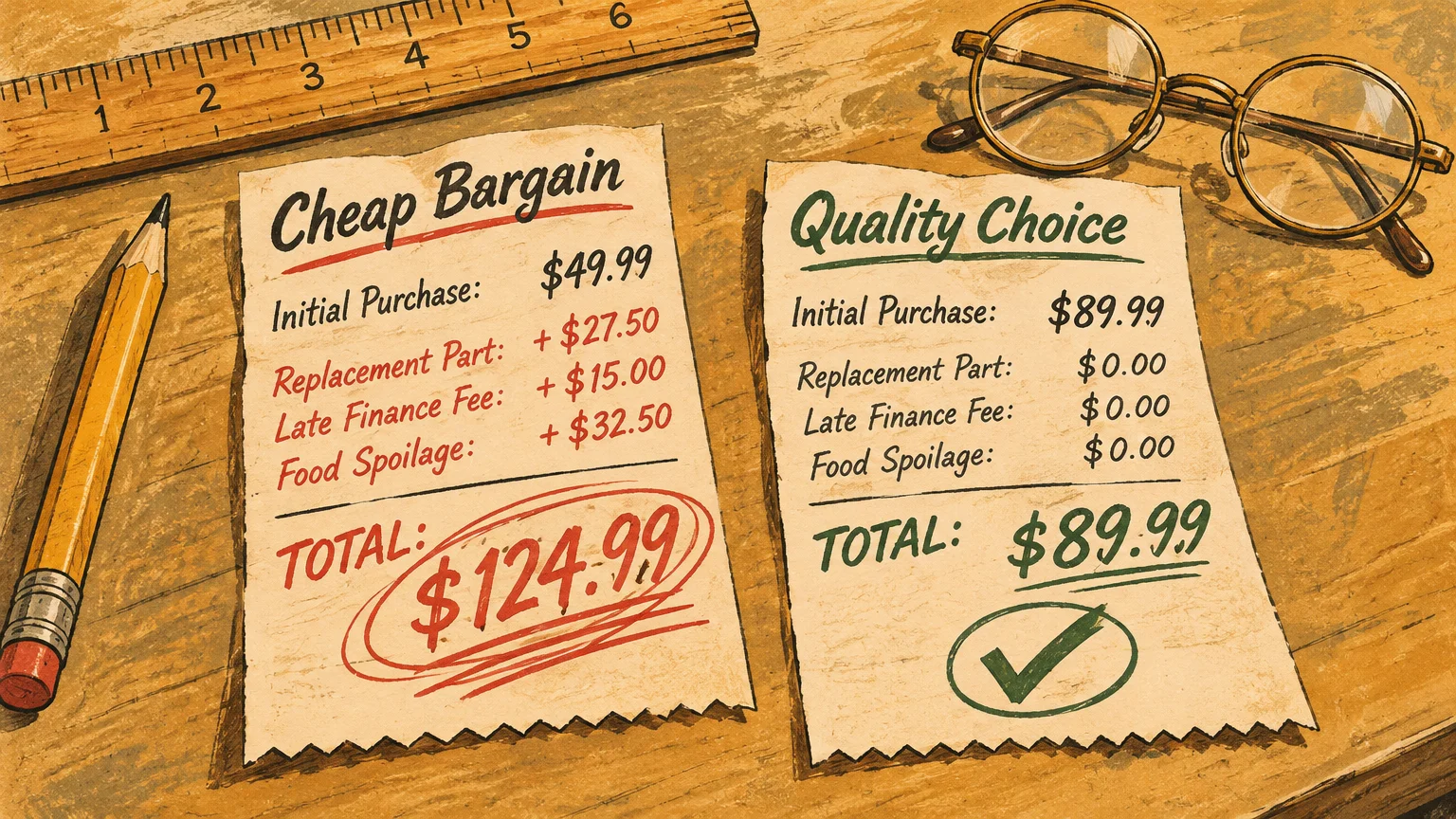
Giant produce bags and multi-pack dairy deals look irresistible when you compare the unit rate, which is the cost per ounce, pound, or single serving. That low unit rate turns into a costly mirage whenever food spoils before you finish it.
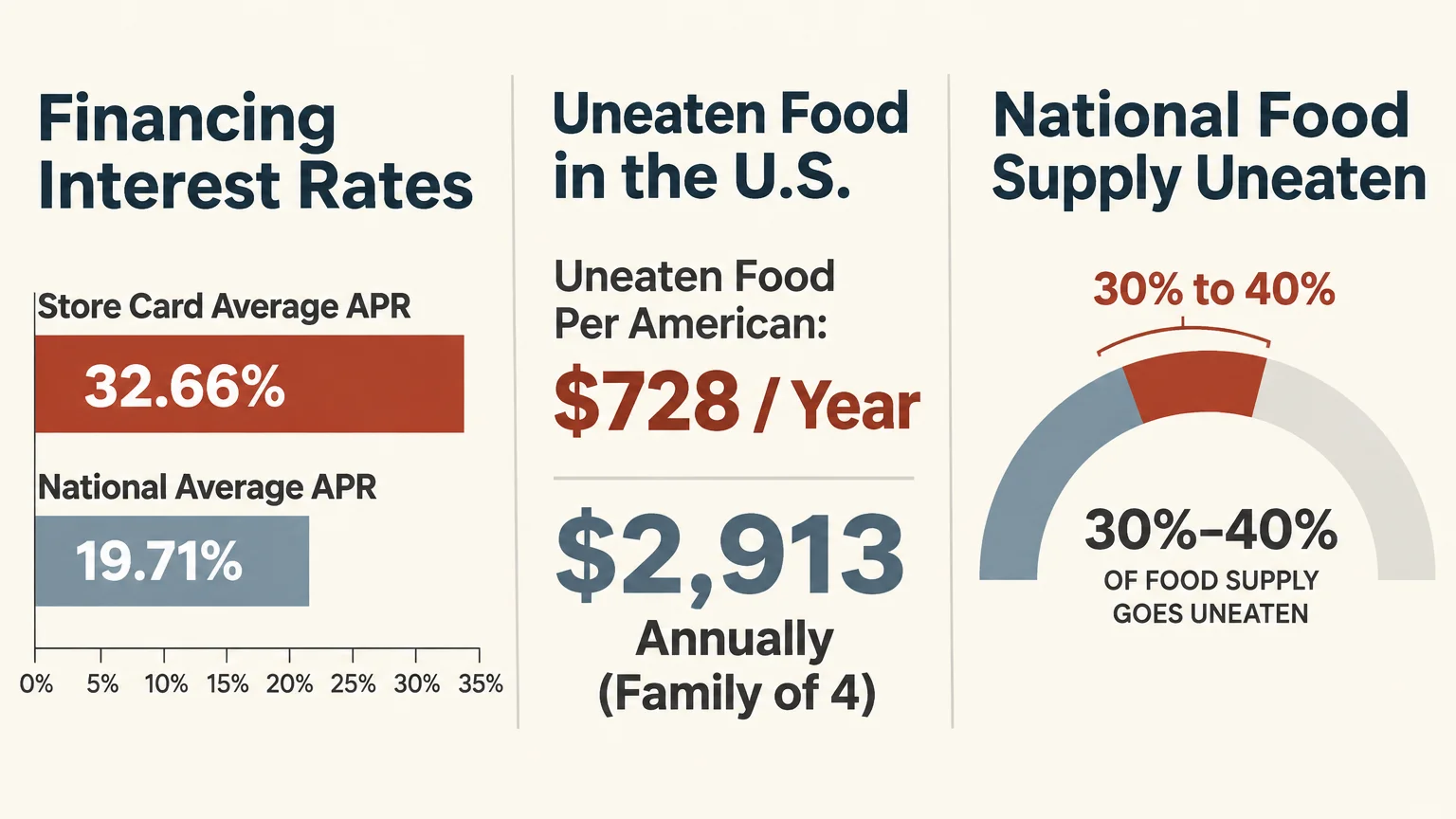
According to April 2025 data from the U.S. Environmental Protection Agency (EPA), uneaten edible food costs each American $728 per year, or $14 weekly. For a family of four, wasted food hits $2,913 annually, consuming roughly 11% of total food spending.
The U.S. Department of Agriculture (USDA) estimates 30% to 40% of the national food supply goes uneaten. Confusion over package dates fuels much of that waste, especially when shoppers toss wholesome pantry items prematurely.
A 2026 NetCredit and Censuswide survey found 73% of Americans mistakenly believe label dates dictate when food becomes unsafe. Yet the USDA Food Safety and Inspection Service clarifies that a Best if Used By date marks peak quality, with infant formula being the sole Use By safety exception.
Buy perishables in quantities you can eat within five days, or freeze extra portions right after unpacking. Smart shopping means paying slightly more per ounce only for food that actually reaches your plate.
2. Dollar Store and Discount Shelf-Tag Deals
Small-format discount stores attract budget shoppers with low single-item prices, yet shrinkflation often inflates their true unit rate. Worse, the shelf price you rely on does not always match what rings up at the register.
In November 2026, the Federal Trade Commission (FTC) and 17 states announced a $63 million settlement with Family Dollar over routine checkout overcharges. One month earlier, the FTC and 20 states sued Dollar General across its 21,000 stores for years of similar shelf-to-register price mismatches.
In most U.S. jurisdictions, a store fails a state weights-and-measures inspection if more than 2% of sampled items scan inaccurately. Snap quick photos of sale tags as you shop, and verify your receipt before stepping away from the counter.
3. Retail Store Credit Cards and Zero-Percent Financing
Cashiers frequently pitch an instant 15% discount if you open a store-branded card at checkout. That one-time perk backfires dramatically the moment an unexpected bill forces you to carry a balance past the due date.
As of November 2026, Bankrate reports an average national credit card APR of 19.71%, while LendingTree places new card offers at 24.00%. By contrast, a December 2024 Consumer Financial Protection Bureau (CFPB) report found 90% of retail store cards charge maximum APRs above 30%.
Top retailers’ private-label cards average 32.66% APR, and their cardholders experience nearly double the annualized charge-off rate of general card users. Pay-in-four Buy Now, Pay Later plans carry similar traps, reaching $70 billion in 2025 volume according to the Federal Reserve Bank of Richmond.
CFPB research from 2025 shows 63% of those borrowers stacked multiple simultaneous installment loans, and 4.1% of major lender loans incurred late fees in 2023. Skip store financing altogether unless you can pay the full balance before interest ever posts.
4. Free Trials and Auto-Renewing Subscriptions
Zero-dollar trial offers feel harmless when you sign up for a streaming channel, vitamin delivery, or software app. Companies count on busy schedules and quiet monthly drafts to keep billing you long after interest fades.
A July 2026 CNET survey shows U.S. adults spend $111 monthly on subscriptions and waste $21 monthly, or $252 yearly, on unused plans. A 2026 Self Financial survey similarly found 59.9% of adults wasted an average of $26.79 monthly on forgotten services.
Even more telling, a C+R Research study revealed consumers guessed they spent $86 monthly while actual statements averaged $219—a $133 perception gap. Because a federal appeals court vacated the FTC’s Click-to-Cancel Rule in July 2025, cancellation still varies by state law.
Review your bank statement line by line on the first of every month. Set a phone alarm two days before any trial converts so you stay firmly in control.
Home Gear, Energy, and Daily Habit Fake Bargains
5. Cheap Inkjet Printers With Cartridge Pricing
A $49 printer looks like an unbeatable steal for occasional tax forms, recipes, and return labels. Manufacturers subsidize that hardware using a razor-and-blades model that locks you into sky-high replacement cartridges.
Consumer Reports testing reveals cartridge ink costs $13 to $75 per ounce—more expensive by volume than fine champagne. Worse, infrequent home users lose huge amounts to automated head-cleaning cycles, leaving as little as 20% of cartridge ink on paper.
That wasted ink adds $100 or more annually, pushing typical cartridge printer costs to between $68 and over $100 per year. Refillable ink-tank printers cost roughly $250 to $360 upfront, yet drop annual ink costs to $4 or $5.
Manufacturer comparisons show tank ink averages under half a cent per black page versus 15 cents for cartridges. If you only print black text, a simple monochrome laser printer runs roughly $10 to $17 yearly in toner and never dries out.
6. Extended Warranties and Protection Plans
Cashiers and online checkout screens push three-year protection plans as cheap peace of mind for appliances and electronics. In practice, extended warranties represent some of the worst money wasting purchases in modern retail.
A Consumer Reports survey found 55% of extended auto warranty buyers never used their coverage after paying a median price over $1,200. Even buyers who filed claims spent hundreds more than they saved, prompting Consumer Reports to advise declining appliance service plans.
The 2026 Warranty Program ROI Benchmark Report shows why stores push them so hard: the $53.01 billion U.S. warranty market delivers 40% to 70% gross margins. Keep those premiums in your own emergency savings account where unused funds earn interest instead of expiring.
7. Cheap Inefficient Bulbs and Uncertified Appliances
Bargain-bin light bulbs and bottom-tier appliances save a few dollars on purchase day while padding your utility bill for a decade. Understanding wattage—the power a device draws at any instant—and kWh (kilowatt-hours), the energy units your utility bills, exposes the real math.
According to the EPA, old incandescent bulbs waste 90% of their electricity as heat and deliver only 10% as light, whereas LEDs run roughly 90% efficient. Under the Department of Energy’s 45 lumens-per-watt baseline, swapping one incandescent for an LED saves $40 to $90 over 10 years.
Choosing ENERGY STAR certified appliances across your home saves a typical household about $450 yearly on utility bills. A January 2026 Appliance Standards Awareness Project report also calculated that federal efficiency standards saved households an average of $6,000 over the past decade.
Before buying any major freezer, washer, or dehumidifier, compare its yellow EnergyGuide label alongside any utility rebate, which is a partial cash refund offered after purchase. Even though the EPA sunsetted the ENERGY STAR lighting label in late 2024, efficient LEDs remain your clearest everyday win.
8. Fast Fashion and Ultra-Cheap Clothing
Ten-dollar sweaters and rock-bottom footwear are classic examples where cheap products cost more over a single year. Thin fabrics, weak seams, and synthetic blends pill, shrink, or split after just a handful of washes.
Lifecycle estimates cited by Earth.Org indicate fast-fashion garments are worn only 7 to 10 times before disposal—a drop exceeding 35% in 15 years. U.S. EPA data cited by the Government Accountability Office (GAO) shows 17 million tons of textiles entered the U.S. waste stream in 2018.
That averages roughly 81.5 to 82 pounds of discarded textiles per person annually, with 66% landfilled and only 13% of clothing recycled. GAO findings also note around 60% of textiles contain microplastics, and some stain-resistant finishes use PFAS chemicals.
Check stitching, zipper weight, and natural cotton or wool content before buying basics. Paying twice as much for a jacket that lasts eight winters slashes your true cost per wear.
9. Bottled Water Instead of Filtered Tap
Grabbing a $4 case of plastic water bottles feels thrifty until you compare its cost against municipal tap water. According to 2023 EPA WaterSense figures, U.S. residential water averages $6.64 per 1,000 gallons, or $15.21 including sewer charges.
At roughly 1.5 cents per gallon combined, drinking eight 8-ounce glasses daily costs about $1.21 yearly for water, or $2.78 with sewer. Bottled water routinely runs $1.50 to over $3.00 per gallon—and up to $7.57 per gallon for single $1 bottles.
Americans still bought 15.9 billion gallons of bottled water in 2024, spending over $35 billion. Roughly 25% of bottled water originates from municipal tap supplies anyway, yet lacks the EPA’s annual public Consumer Confidence Report mandate.
Pair a reusable stainless bottle with an affordable certified faucet or pitcher filter if you dislike local taste. You will pocket hundreds of dollars annually while keeping heavy plastic cases out of your trunk.
10. Single-Serve Coffee Pods
Countertop pod brewers sell convenience at steep unit rates that quietly rival café trips. Disposable pods cost roughly $0.50 to over $1.00 each, averaging $0.75—which translates to $40 to $50 per pound of coffee.
Bagged ground or whole-bean coffee runs $9 to $18 per pound, dropping your cup price to roughly $0.25 to $0.50. Nearly 25% of U.S. households own a pod machine, yet two daily cups cost $550 yearly with pods versus $160 to $220 with bagged beans.
If you already own a single-serve machine and like brewing one mug at a time, buy a $10 reusable stainless mesh basket. Fill it with your favorite ground coffee and cut your morning habit by more than half.
Service, Repair, and Comfort Fake Bargains
11. Unplanned Warehouse Club Memberships
Paying an annual fee for a warehouse club card only works if your savings exceed the fee. Wandering wide aisles without a written list invites oversized snacks and seasonal clutter that blow up your monthly budget.
12. Flimsy Tools and Temporary Home Patches
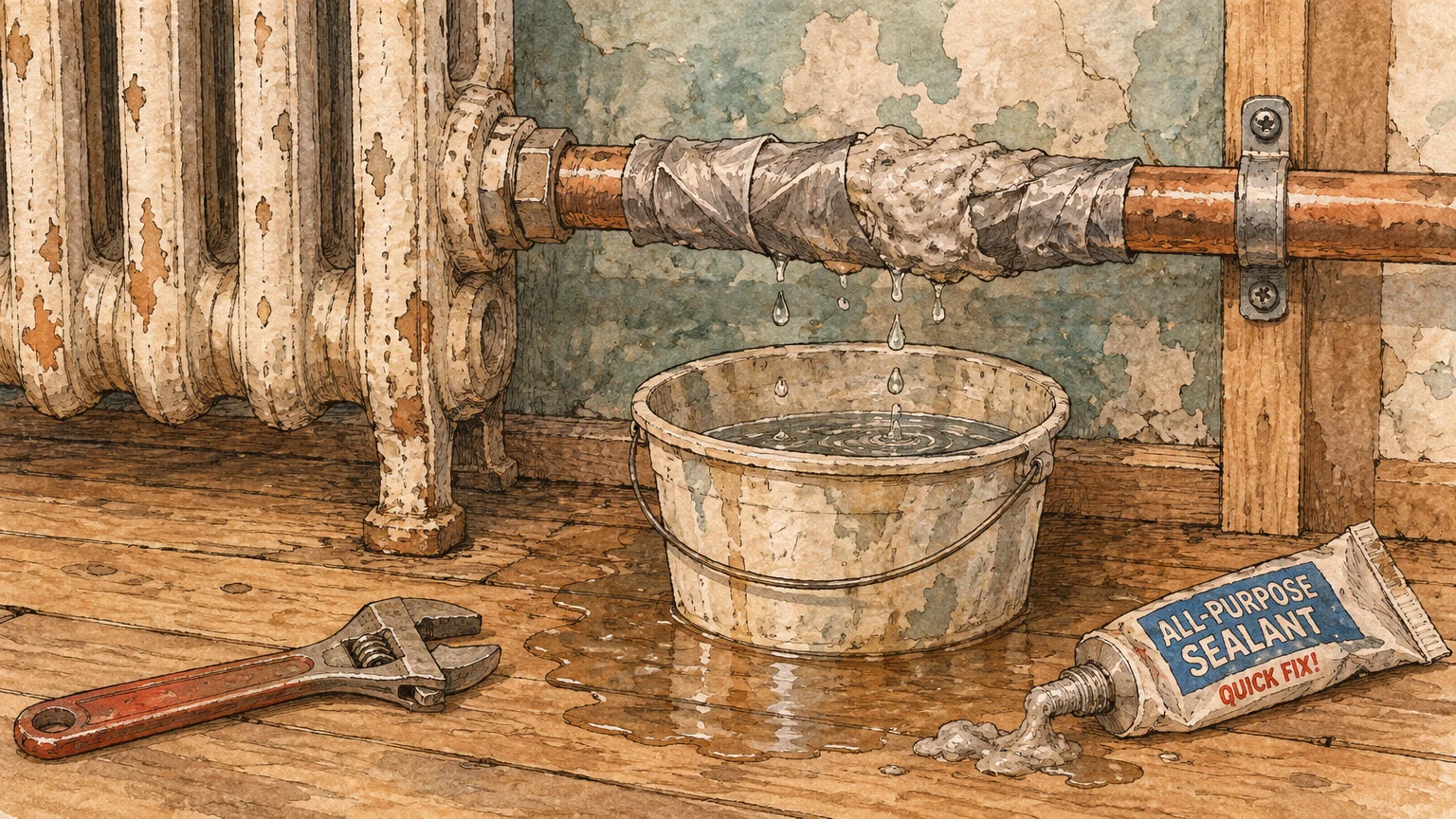
Soft bargain screwdrivers strip screw heads, and cheap peel-and-stick caulk fails within one humid summer. Buying one solid tool and durable silicone sealant protects your home from expensive rot and water leaks.
13. High-Fee Senior Travel and Loyalty Bundles
Mailers often advertise exclusive retiree dining books, travel clubs, or discount medical cards for steep upfront fees. Many hotels, parks, and grocers offer better senior pricing directly at checkout with zero paid middlemen.
14. Electric Space Heaters and Unsealed Ducts
Plugging in a $30 portable heater feels cheaper than servicing your furnace or sealing cold drafts. Running a 1,500-watt heater for hours daily spikes electric bills while leaving underlying air leaks wide open.
Retirement-Ready Budget That Holds Up
Stopping fake bargains starts with separating every dollar into a fixed vs. variable expense framework. Fixed expenses stay predictable each month, such as rent, mortgage payments, Medicare premiums, and car insurance.
Variable expenses shift with your daily choices and weather, covering groceries, electricity, gas, dining, and home supplies. To keep fixed retirement income steady, fund your must-pay bills first before assigning flexible spending caps.
Next, build small monthly sinking funds—dedicated mini-buckets for predictable non-monthly bills like auto registration, property taxes, or annual home maintenance. Setting aside small amounts year-round prevents seasonal heating spikes or car repairs from pushing you onto high-interest store credit.
Picture a retired household receiving $2,400 monthly from Social Security and a modest pension. Suppose housing, Medicare, insurance, and base utilities absorb $1,550 in fixed must-pays, leaving $850 for variable living costs and savings.
Assigning $350 to planned groceries, $100 to sinking funds, $150 to fuel and pharmacy needs, and $150 to personal spending leaves a $100 monthly buffer. Every dollar has an assignment before you ever set foot inside a store.
Cutting Utility Bills: A Stepwise Plan
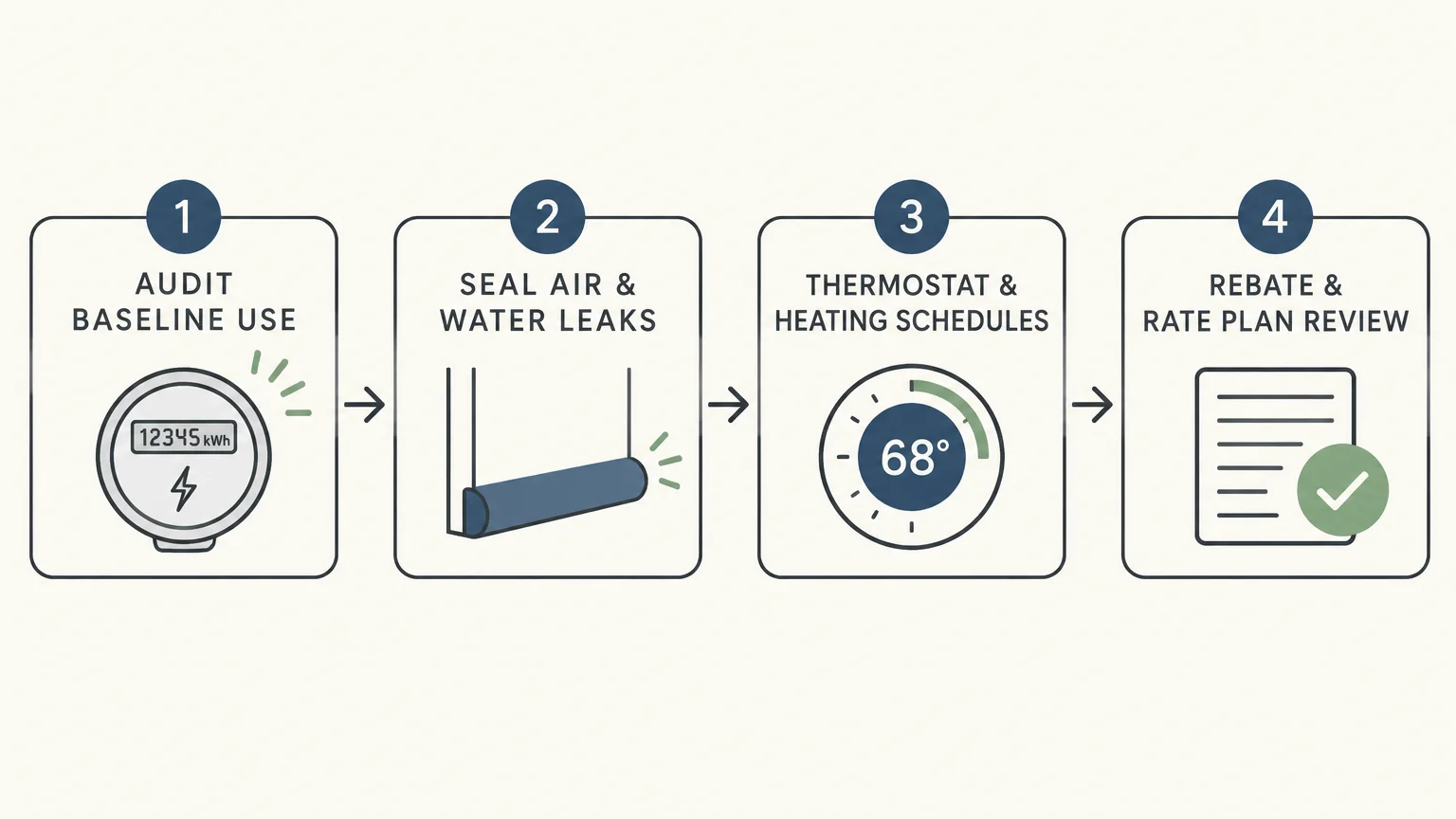
Utilities reward steady habits more than expensive gadgets. Start with your electric bill by setting your thermostat a few degrees higher in summer and lower in winter, using ceiling fans only in occupied rooms.
Swap remaining incandescent bulbs for LEDs, plug entertainment gear into advanced power strips to kill standby phantom draw, and wash laundry in cold water. Next, inspect your gas or electric water heater and set its thermostat to 120 degrees Fahrenheit for safety and lower standby loss.
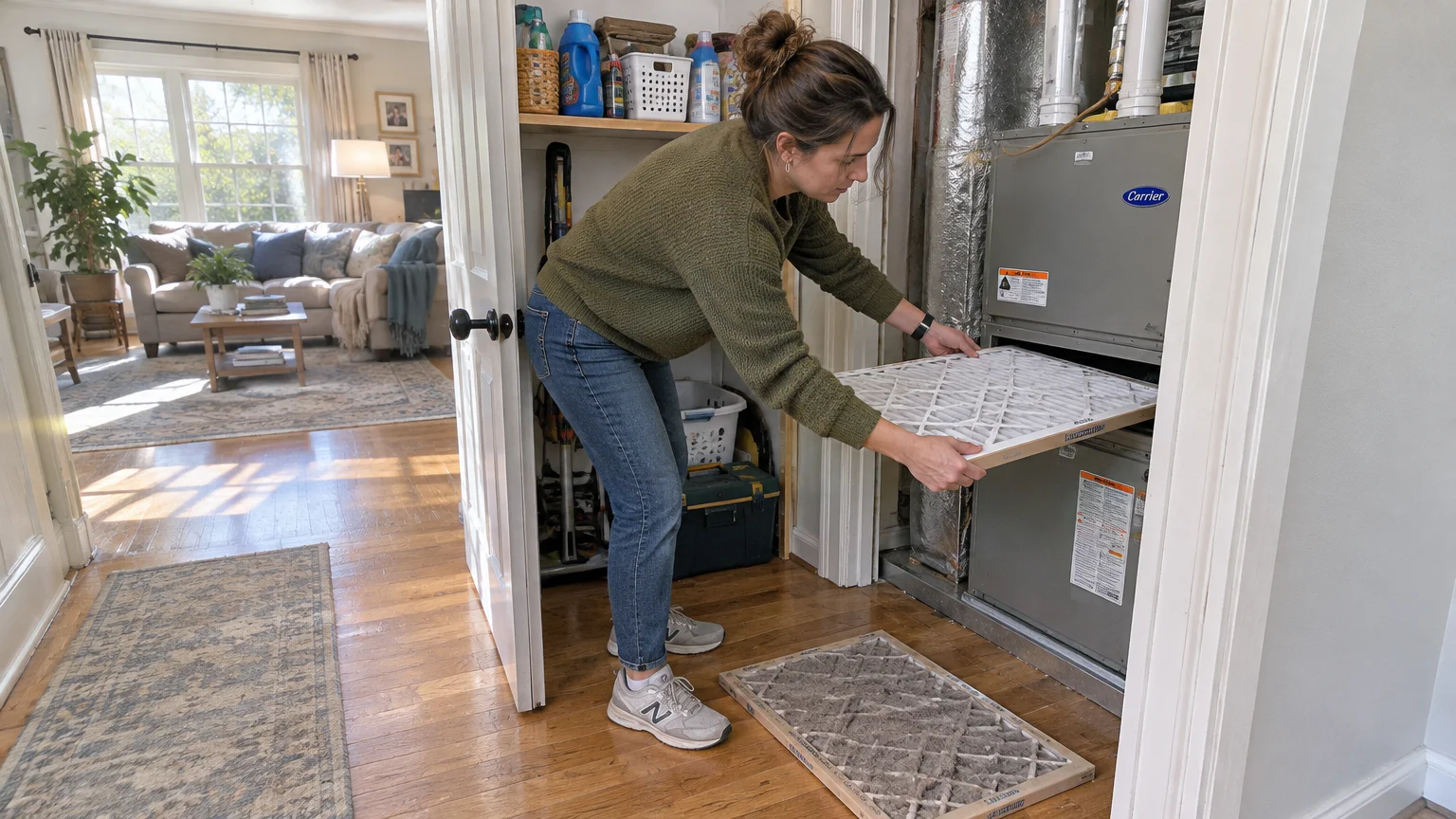
Drain a few gallons from the tank’s bottom valve yearly to flush sediment if your manual recommends it. For major heating and cooling losses, check exposed basement ducts and complete basic duct sealing using foil tape or mastic rather than ordinary cloth duct tape.
When replacing washers or dishwashers, compare each unit’s water factor—the gallons used per cycle relative to tub capacity—alongside local utility rebates. Ask your provider about budget billing, which averages seasonal highs and lows into predictable monthly drafts.
Energy efficiency guidance via ENERGY STAR and the U.S. Department of Energy (DOE).
Water savings and fixture labeling via the EPA WaterSense. Home product safety via the U.S. Consumer Product Safety Commission (CPSC).
Senior Discounts and Quiet Perks
Real senior savings rarely arrive in flashy envelopes; you uncover them simply by asking politely at checkout. Across the U.S., grocery chains, pharmacies, theaters, museums, and transit agencies set thresholds anywhere from age 55 to 65.
Many grocers and thrift stores offer 5% to 10% senior discounts during quiet Tuesday or Wednesday morning windows. Always carry a valid photo ID, ask whether sale items qualify, and verify local store policies since franchise rules vary by neighborhood.
Before paying for a national senior association membership, check whether its travel, prescription, or roadside perks beat discounts you already get through Medicare, insurance, or local parks. Never pay for a discount club unless verified savings exceed its annual dues.
Retirement and benefits information via the Social Security Administration (SSA) and senior living resources via the AARP.
Beyond Groceries: Services That Can Save You
Even if bulk groceries tempt you into waste, non-grocery warehouse club departments can deliver genuine frugal living tips in action. Optical centers, hearing-aid clinics, tire bays, photo desks, and pharmacy counters often charge substantially less than standalone retail chains.
Compare total out-the-door prices without brand loyalty, factoring in free tire rotations, warranty alignments, or generic prescription cash rates. Many states even allow non-members to use warehouse pharmacies by law, though policies vary by region.
Check appointment lead times and travel costs before joining solely for services. Driving 30 miles across town for slightly cheaper tires rarely pays off once you count fuel and time.
DIY Home Repairs: Safe, Simple Wins
Fixing a Running Toilet
Lift the tank lid and inspect whether the rubber flapper seals cleanly or if water spills down the overflow tube. A replacement flapper and chain cost $5 to $15, require zero specialized tools, and stop hundreds of wasted gallons weekly.
Shut off the wall supply valve and flush to empty the tank before reaching inside. Call a licensed plumber if the porcelain tank is cracked or the main shutoff valve leaks around its stem.
Clearing a Clogged Sink P-Trap
Place a bucket and old towel beneath the curved P-trap pipe under your bathroom or kitchen sink. Hand-loosen the plastic slip nuts—or gently turn them with $10 slip-joint pliers—and clear trapped hair or grease.
Wear gloves and eye protection, and never mix chemical drain cleaners before opening pipes. Call a plumber if clogs sit deep inside the wall drain or affect multiple fixtures simultaneously.
Stopping a Front Door Draft
Stand inside during daylight and look for slivers of light around your exterior door frame. Self-adhesive foam or V-strip weatherstripping plus a screw-on door sweep cost $15 to $30 and install with scissors and a screwdriver.
Keep ladders stable and avoid blocking emergency exit latches when fitting tight seals. Hire a carpenter if your wooden door frame is rotted or sagging out of square.
Tightening a Loose Cabinet or Door Hinge
When a door rubs or a cabinet sags, check for stripped screw holes inside the wood frame. Dip wooden toothpicks in $4 wood glue, pack them into the enlarged hole, let dry, and drive the original screw back in.
Wear safety glasses when driving screws overhead or trimming protruding toothpicks flush with a utility knife. Call a pro if heavy exterior entry doors pull free from damaged structural framing.
Worked Examples
Example A: Cutting $40 monthly off an electric bill. Suppose your utility charges $0.16 per kWh. Replacing ten heavily used 60-watt incandescent bulbs with 9-watt LEDs cuts 510 watts, saving roughly 61 kWh—or nearly $10 monthly—at four hours of daily use.
Plugging a television, media box, and printer into a smart power strip eliminates roughly 35 watts of constant standby draw, shaving another $4 monthly. Washing clothes in cold water and air-drying four loads weekly cuts roughly 162 kWh, saving $26 for a full $40 monthly drop.
Example B: Rebalancing a retiree budget after a rent hike. Imagine your Social Security and pension bring in $2,500 monthly, and rent climbs $125 to $1,125. Fixed bills like Medicare and base utilities take $675, leaving $700 for variable costs.
Canceling one $25 unused subscription, dropping $35 in bottled water and coffee pods, and locking in $40 in electric cuts recovers $100 immediately. Trimming impulse bulk groceries by $25 absorbs the remaining hike without dipping into emergency savings.
Example C: Low-flow showerhead payback math. Using EPA WaterSense’s $15.21 per 1,000 gallons combined water-and-sewer average (about 1.5 cents per gallon), swap an old 2.5-gallon-per-minute showerhead for a 1.5-gallon-per-minute WaterSense model.
At 15 minutes of daily family showers, you save 15 gallons daily—450 gallons, or roughly $6.75 monthly, in water and sewer alone. Even before counting hot-water heating savings, a $20 showerhead pays for itself right around month three.
FAQs
Is utility budget billing worth it?
Budget billing smooths extreme winter heating or summer cooling spikes into predictable monthly drafts, which protects fixed retirement budgets. Just track your true usage online so you avoid an unexpected catch-up settlement bill at year’s end.
Which home repairs require a permit?
Simple swaps like toilet flappers, faucet aerators, weatherstripping, and cabinet hardware rarely need permits. Electrical panel work, new plumbing lines, water heater replacements, and structural changes typically require municipal permits and licensed contractors—always verify with your local building office.
How do I verify a senior discount or utility rebate?
Check the store’s customer service desk or official website before loading your cart, and bring government photo ID. For utility rebates, confirm approved model numbers directly through your electric, gas, or water provider before purchasing equipment.
What temperature should my water heater be set to?
Most households balance scald safety, bacteria control, and energy savings at 120 degrees Fahrenheit. Check your owner’s manual or ask a licensed technician if anyone in your home has a compromised immune system requiring higher settings.
Do plug-in home energy monitors actually help?
Inexpensive plug-in watt meters reveal exactly how much power space heaters, older garage fridges, or idle electronics pull around the clock. Seeing real kWh numbers makes it easy to unplug energy hogs instead of guessing.
Disclosure: This article is for informational purposes only and is not financial, legal, medical, or building-code advice. Utility rates, rebates, and senior discounts vary by region and provider; verify details with official sources before acting.
Always wear appropriate safety gear during home upkeep, and hire licensed professionals whenever work requires permits or you feel unsure.